Medical Marijuana for Epilepsy: A Mississippi Patient’s Guide
For families in Mississippi living with the daily realities of epilepsy, medical marijuana has opened up a new world of possibilities, especially when traditional treatments don't provide the relief needed. This approach isn't about just any part of the marijuana plant; it's focused on specific compounds, like cannabidiol (CBD) , that have shown real promise in helping to manage and even reduce seizure activity. It marks a significant move toward plant-based medicine for people seeking to take back control of their health.
A New Path for Epilepsy Management in Mississippi
If you're exploring medical marijuana for yourself or a loved one dealing with epilepsy in Mississippi, you're taking a proactive step toward a better quality of life. This guide is here to walk you through it all, explaining how Mississippi’s program works and what the science actually says about using medical marijuana to manage seizures.
Think of your brain's communication network like a highly sensitive electrical grid. In epilepsy, this grid can suddenly get hit with uncontrolled power surges, and those surges are what we see as seizures. Medical marijuana, particularly CBD-rich options, can act like a natural surge protector—helping to soothe that excessive electrical firing and bring more balance back to the system.
Why Are So Many Patients Turning to Medical Marijuana?
The interest in medical marijuana for epilepsy isn't just based on word-of-mouth. It's backed by a real shift in our medical understanding, driven by both compelling clinical evidence and patient demand for better options.
For many, standard anti-seizure medications (ASMs) just aren't enough. It's a tough reality that around 50% of epilepsy cases have no known cause, which makes getting seizures under control with conventional drugs a huge challenge. When the first medication doesn't work, the odds of the next one succeeding get lower and lower. This treatment gap is exactly why researchers started looking seriously at marijuana-based solutions.
For Mississippians, this means there's now a state-approved alternative that offers a new sense of hope. The goal isn't only to reduce seizures but to improve overall well-being.
To give you a quick overview, here's what the Mississippi program looks like for epilepsy patients.
Medical Marijuana for Epilepsy in Mississippi at a Glance
| Key Aspect | What Mississippi Patients Need to Know |
|---|---|
| Qualifying Condition | Yes, epilepsy or any condition causing seizures is a state-approved condition. |
| Key Compound | Focus is primarily on CBD (cannabidiol) for its anti-seizure properties. |
| THC Considerations | Low-THC products are often recommended to avoid psychoactive effects. |
| First Step | You must be certified by a qualified Mississippi practitioner. |
| Legal Protection | A valid medical marijuana card protects patients from state-level prosecution. |
| Access | Products are available only through licensed Mississippi dispensaries. |
This table provides a starting point, but our goal is to demystify the entire process for you. We'll walk you through how Mississippi’s medical marijuana program provides a legal, regulated, and safe pathway for patients. Understanding how it all works is the first step to making an informed decision.
This guide will cover everything you need to know about getting a medical marijuana card for epilepsy in Mississippi, including:
- How compounds in the marijuana plant work with your body.
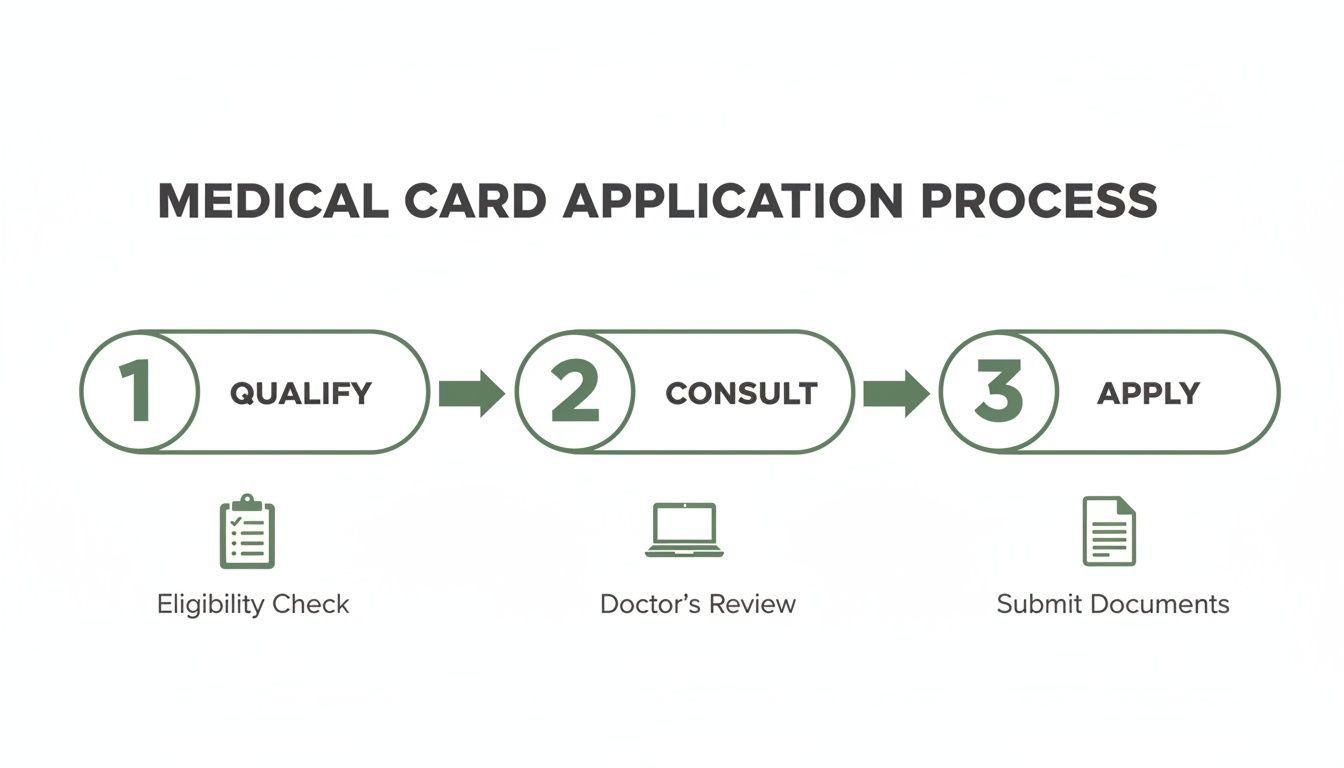
- The step-by-step process to get your medical marijuana card.
- What you should expect when beginning treatment.
This journey is all about exploring every tool in the toolbox to improve your health and find lasting relief. Medical marijuana is quickly becoming a trusted part of modern epilepsy care.
How Medical Marijuana Interacts With Your Body to Control Seizures
To really get why medical marijuana can be a game-changer for epilepsy, we first have to talk about your body’s own internal regulator: the Endocannabinoid System (ECS) . Picture the ECS as a sophisticated network running in the background, always working to keep your body in balance. This stable state is called homeostasis.
In epilepsy, this internal communication system gets disrupted. The brain's messengers, called neurons, start firing way too fast and erratically, like an electrical storm. This neurological misfiring is what causes a seizure. Your ECS tries its best to pump the brakes and calm things down, but sometimes it just can’t keep up.
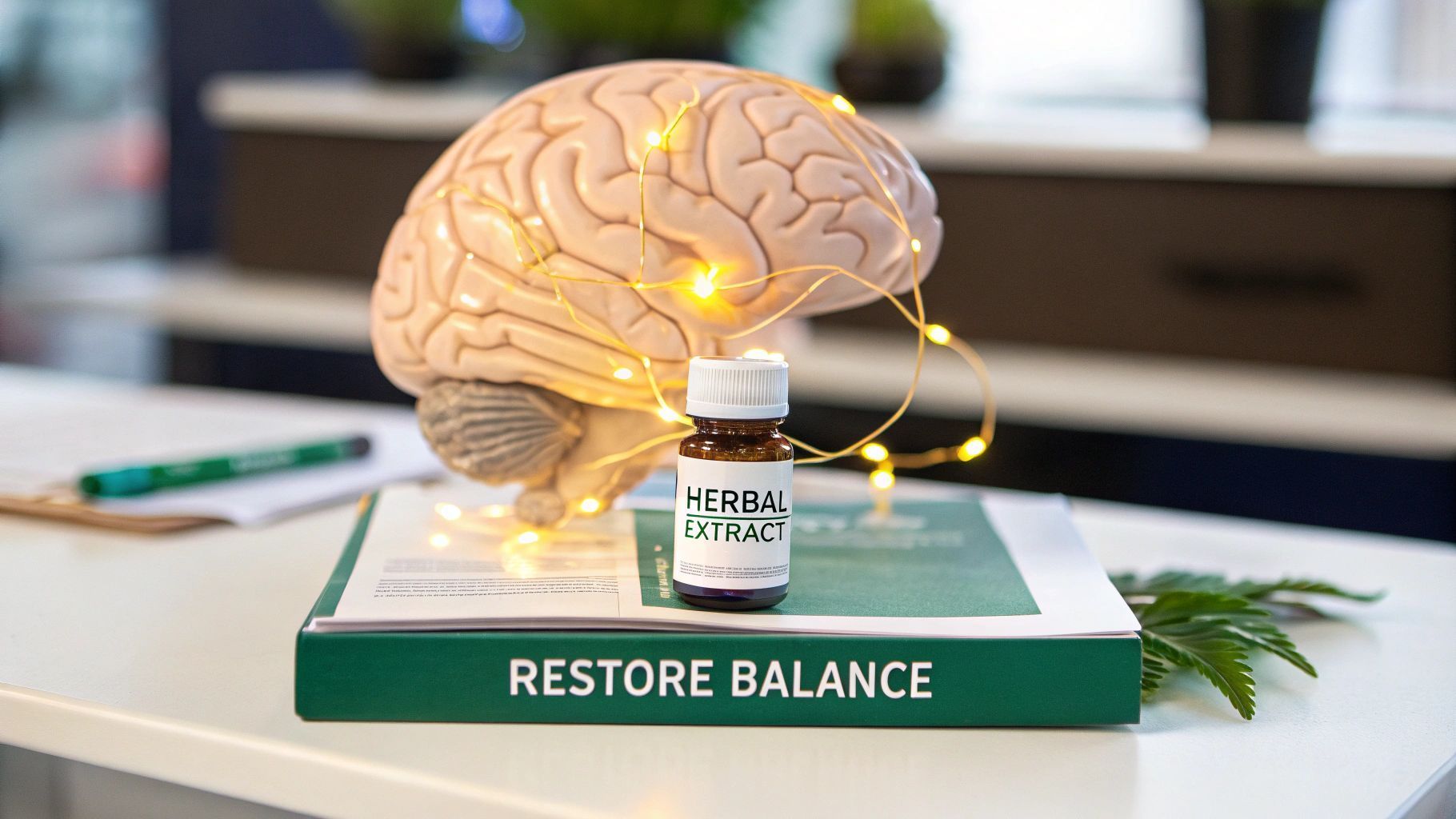
Introducing Cannabinoids into the System
This is where medical marijuana steps in. The plant is full of compounds called cannabinoids , and you’ve probably heard of the two most famous ones: Cannabidiol (CBD) and Tetrahydrocannabinol (THC). What’s fascinating is that these plant-based cannabinoids are incredibly similar to the ones your own body makes.
When they enter your system, they can lend a hand to your ECS, helping it regain control and restore that crucial balance. For managing epilepsy, CBD is the real star of the show. It’s celebrated for its powerful anticonvulsant properties and, importantly, it doesn't produce a "high," making it a safe and practical option for medical treatment.
Think of CBD as a skilled negotiator for your nervous system. It helps calm those overexcited neurons, dialing back the excessive electrical chatter that can trigger a seizure. For a deeper dive, our guide explains in more detail what the Endocannabinoid System is and how it keeps you running smoothly.
The Role of CBD in Seizure Reduction
The main reason CBD is so effective for epilepsy is its calming influence on the central nervous system. Studies have shown it interacts with specific receptors in the brain, essentially telling them to release fewer of the chemicals that cause neuronal over-activity.
Imagine the signaling in your brain has a volume knob. In people with epilepsy, that knob can get cranked up to ten and get stuck there. CBD seems to help turn that volume back down, preventing the signals from becoming so overwhelming that they cause a seizure.
This unique interaction is why CBD has become such a vital part of marijuana therapy for epilepsy. It supports the ECS without the intoxicating effects, allowing patients to manage their condition while staying clear-headed and engaged in their daily lives.
The ultimate goal of using medical marijuana for epilepsy is to achieve seizure freedom or a significant reduction in seizure frequency. Clinical evidence and real-world patient outcomes increasingly support its role in helping to achieve this for individuals with drug-resistant forms of epilepsy.
THC and the Entourage Effect
While CBD gets most of the credit, small, carefully managed amounts of THC can sometimes play a vital supporting role. THC is the compound that causes the "high" associated with marijuana, but in very small doses, it can work alongside CBD to produce a stronger therapeutic result.
This teamwork is known as the "entourage effect." The theory is simple: the many compounds in the marijuana plant work better together than they do alone. For some patients, a product with a high amount of CBD and just a tiny bit of THC might be more effective at controlling seizures than CBD by itself.
Here in Mississippi, our medical marijuana program allows practitioners to guide patients toward products with the precise cannabinoid profile for their condition. For epilepsy, the strategy almost always centers on high-CBD, low-THC formulations. This ensures we maximize the anticonvulsant benefits while keeping any potential side effects to an absolute minimum.
Discovering the Broader Benefits of Medical Marijuana
Managing epilepsy is a complex journey, and it’s about so much more than just counting seizures. True well-being comes from improving your overall quality of life, which is why the wider therapeutic benefits of medical marijuana are becoming so important for patients here in Mississippi. Many people with epilepsy also struggle with anxiety, stress, and poor sleep—all of which can be powerful seizure triggers themselves.
Medical marijuana, especially formulations rich in CBD, can have a calming effect that goes beyond just neurological stability. Think of it as a positive ripple effect. When you start addressing related issues like anxiety and get more restful sleep, you’re also building a stronger defense against the very factors that can provoke seizure activity.
This approach offers a more complete way to manage your health. The goal shifts from simply reacting to seizures to proactively creating an internal environment where they are less likely to happen in the first place.
A Holistic Approach to Well-Being
For many in Mississippi, living with epilepsy means constantly walking a tightrope. Stress from work or family can throw you off balance, and a bad night's sleep can leave your brain more vulnerable. Medical marijuana can act as a stabilizing force here, helping to soothe the nervous system and quiet the mental chatter that so often comes with a chronic condition.
Patients frequently tell us about the positive side effects that make a real difference in their daily lives. These aren't just secondary perks; they are central to achieving a better state of health.
- Improved Mood: A greater sense of calm often leads to a more positive outlook and better emotional resilience.
- Reduced Anxiety: CBD is well-known for its anti-anxiety properties, which can help ease the constant worry that can come with an epilepsy diagnosis.
- Enhanced Sleep Quality: By promoting relaxation, medical marijuana can help you fall asleep faster and enjoy deeper, more restorative rest.
By addressing these interconnected issues, medical marijuana helps create a foundation of stability. When you feel calmer and are better rested, your body is simply better equipped to manage the neurological challenges of epilepsy.
Addressing More Than Just Seizures
The link between stress and seizures is well-established. When your body is under stress, it releases hormones that can increase neuronal excitability, potentially lowering the seizure threshold for someone with epilepsy. Medical marijuana can help soften this response, providing a much-needed buffer against daily stressors.
This is a huge reason why so many people are exploring medical marijuana. It’s not just about what it stops (seizures), but also about what it promotes —a sense of peace and control. That shift in perspective is empowering, turning treatment from a purely reactive measure into a proactive strategy for wellness.
The growing recognition of these benefits is clear, both within the medical community and in patient demand. As more people find relief, the conversation around marijuana-based therapies continues to shift from a niche alternative to a mainstream option for managing complex conditions.
The Growing Recognition of Marijuana Therapy
This shift toward accepting medical marijuana for epilepsy is backed by some powerful global trends. The epilepsy treatment segment of the medical marijuana market is projected to grow at a compound annual rate (CAGR) of 19.5% through 2034 . That's a huge expansion, and it points to growing confidence in these therapies, especially for patients with drug-resistant epilepsy. This condition affects millions, with international health estimates suggesting that around 50 million people suffer from epilepsy worldwide. You can discover more insights about the global impact of these treatments.
This growth isn’t just a market trend; it signals a fundamental change in how we approach epilepsy care. For Mississippi residents with a medical marijuana card, it means having access to a treatment that considers their entire well-being. By managing the broader symptoms tied to epilepsy, patients can experience a more profound and lasting improvement in their quality of life, nurturing a state of balance for long-term health.
Your Step-by-Step Guide to Getting a Medical Marijuana Card in Mississippi
Trying to figure out the process for getting a medical marijuana card in Mississippi can feel a little overwhelming at first. But don't worry—it's a clear, manageable path designed to get patients the care they need. The state has set up a solid system so that people with qualifying conditions, like epilepsy, can legally and safely access medical marijuana.
The first and most important step is simply making sure you're eligible. For anyone managing epilepsy, the good news is that Mississippi law is crystal clear. A "debilitating epileptic condition" is explicitly named as a qualifying diagnosis under the Mississippi Medical Cannabis Act. This recognition creates a direct pathway for residents whose lives are affected by seizures to explore this treatment.
Confirming Your Eligibility and Preparing for a Consultation
Before you even book an appointment, it's a great idea to gather your medical records. Pull together anything you have related to your epilepsy diagnosis and treatment history. This paperwork is exactly what the practitioner needs to make an informed assessment, and having it ready just makes the whole consultation go that much smoother.
Next, you'll need to find and connect with a practitioner who is registered with the Mississippi Medical Cannabis Program. Only these certified professionals have the authority to issue the certification you need for your medical card application. During your visit, you'll have a real conversation about your medical history, your personal experience with epilepsy, and why you feel medical marijuana could be a helpful part of your treatment plan.
This is your chance to ask questions and really understand how medical marijuana might fit into your life. The more open you are about your symptoms and what you've tried in the past, the better the practitioner can determine if this is the right path for you. For a deeper dive into all the statewide requirements, check out our complete guide on how to get a Mississippi medical marijuana card in 2025.
The State Application Process
Once you have the practitioner’s certification in hand, the final piece of the puzzle is to complete your application on the Mississippi Department of Health's online portal. Just keep in mind that the certification from your practitioner is only valid for 60 days , so you’ll want to get your application submitted within that window.
The online application itself is pretty straightforward. You’ll need to upload proof of residency, a valid photo ID, and enter the certification number your practitioner gave you. After you submit everything and pay the fee, the state will review your application.
Once you get the green light, you'll receive your electronic medical marijuana card. This card is your key to legally purchasing medical marijuana products from any licensed dispensary in Mississippi, putting you in control of the next step in managing your health.
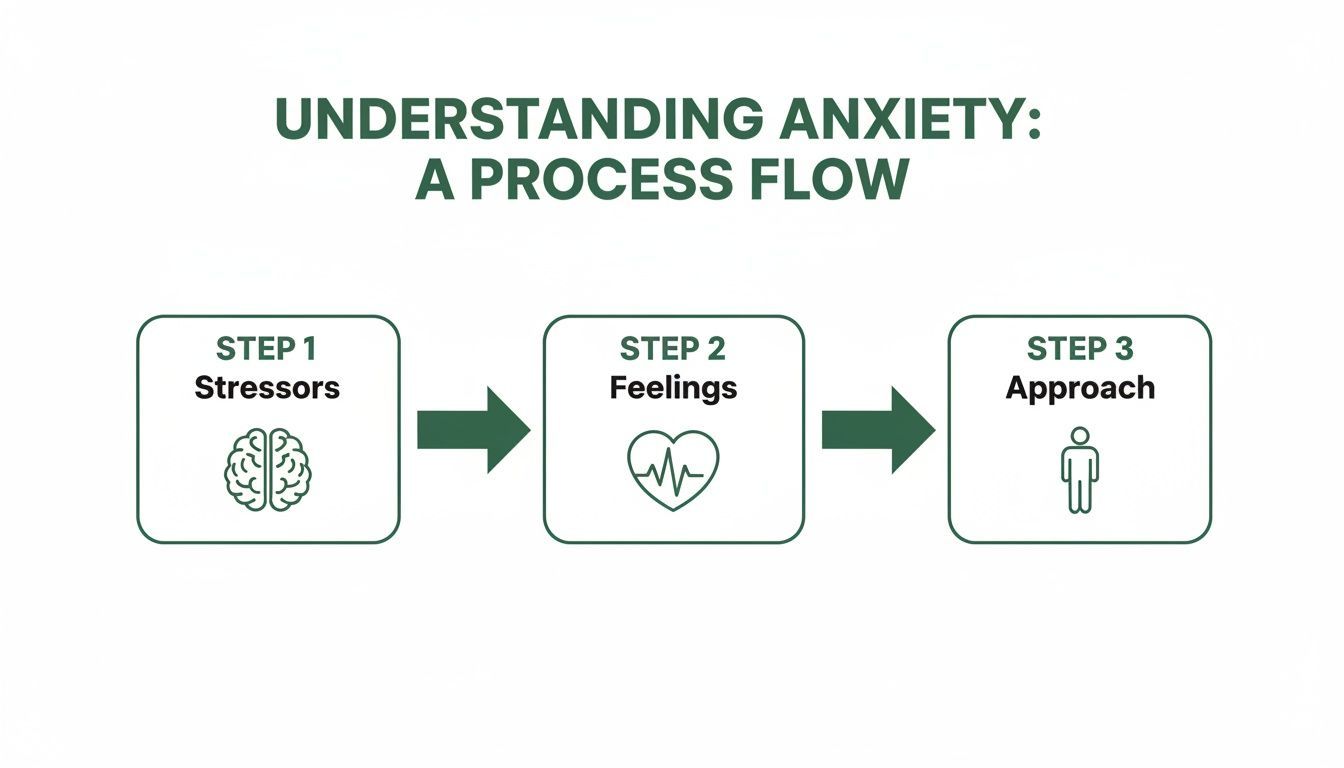
This visual helps show how the benefits of medical marijuana—like easing anxiety, promoting better sleep, and managing seizures—all work together to support your overall well-being.
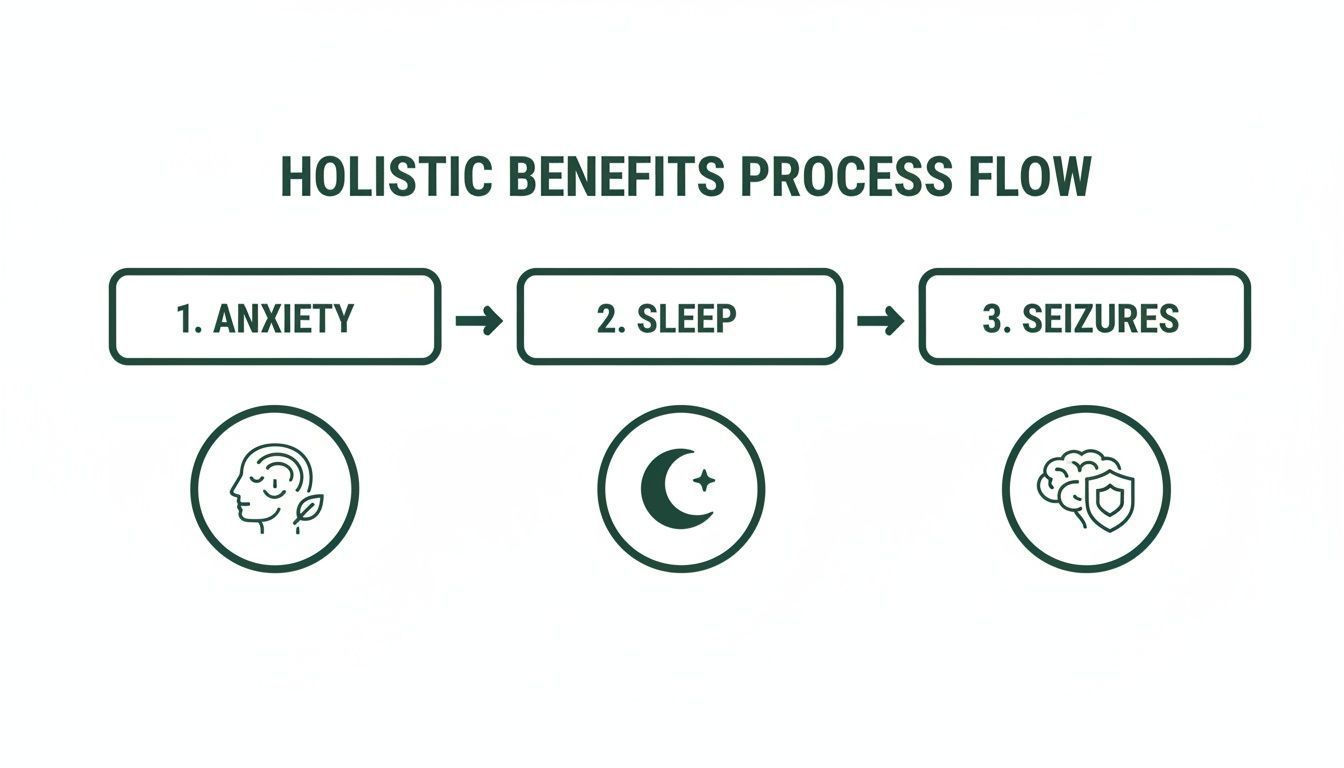
It shows that by first calming the mind and body to allow for more restful sleep, patients can create an internal environment that is less susceptible to the neurological overactivity that triggers seizures. It really highlights how interconnected everything is when it comes to managing epilepsy.
Beginning Your Medical Marijuana Treatment Journey
So, you have your Mississippi medical marijuana card in hand. That’s a huge step forward, but it’s really just the starting line. Now comes the most important part: figuring out how to use medical marijuana safely and effectively for your specific needs. The single most important rule to follow here is a simple one: "start low and go slow."
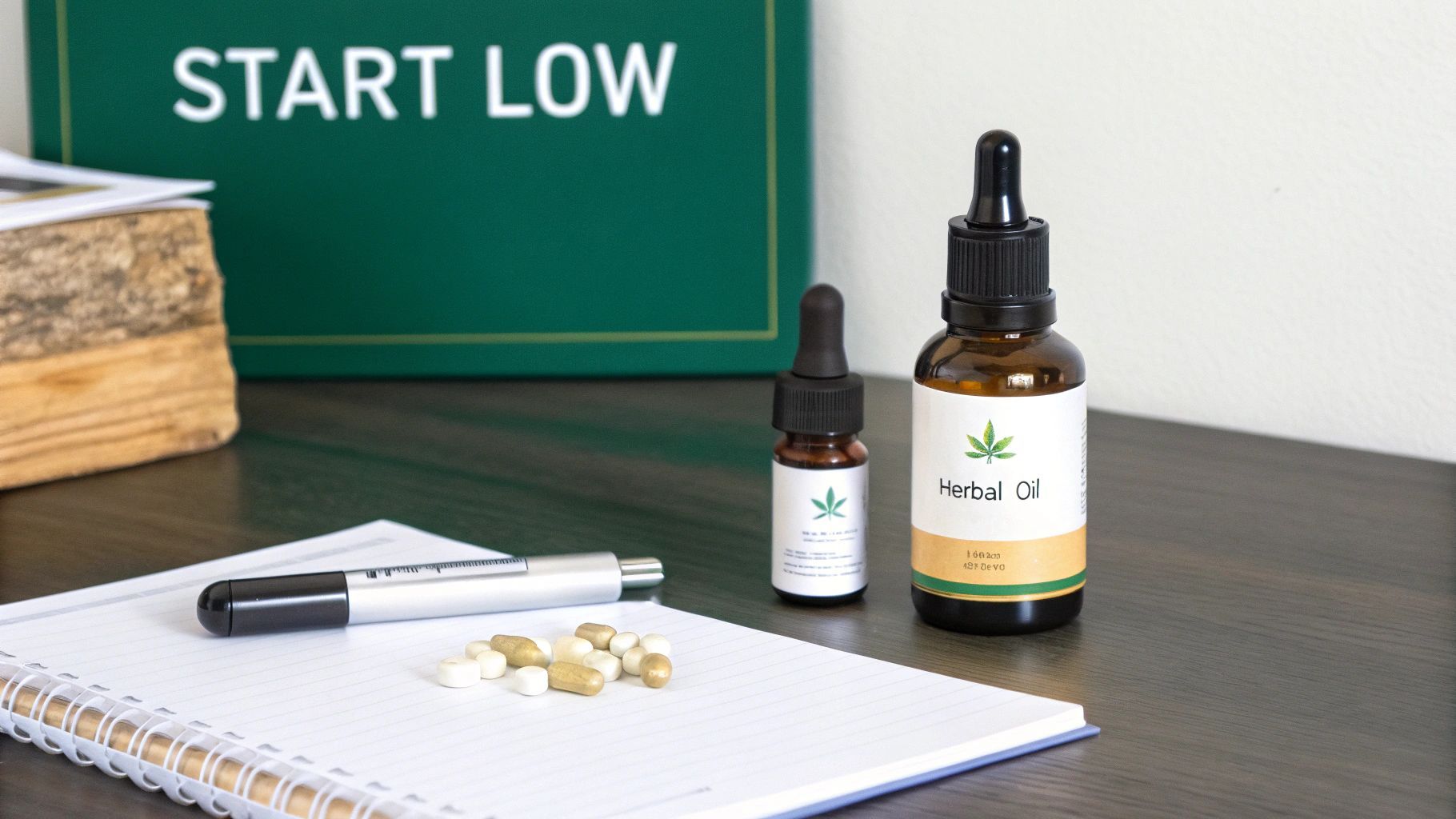
This philosophy is the bedrock of responsible marijuana therapy, especially for a condition like epilepsy. It means you'll begin with a very small, carefully measured dose and gradually increase it over several days or even weeks. This patient approach is all about finding that "sweet spot"—the lowest possible dose that controls your symptoms while keeping any potential side effects to a minimum.
Understanding Dosing and Product Types in Mississippi
Walking into a Mississippi dispensary for the first time can feel overwhelming with all the choices. While you’ll see various products, for managing epilepsy, consistency is king. That's why practitioners typically steer patients toward products that allow for precise, repeatable dosing.
You need to know exactly how much you're taking every single time to accurately track what’s working. That's why certain products are much better suited for medical use.
- Oils and Tinctures: These liquid extracts are a fantastic option because they come with a measured dropper. This gives you complete control, letting you "start low and go slow" by adjusting your dose one drop at a time if needed.
- Capsules: If you prefer something more straightforward, capsules offer a pre-measured, no-fuss dose every time. There's zero guesswork, making them perfect for a structured daily treatment plan.
Using these methods helps maintain a steady level of cannabinoids in your system, which is vital for managing seizures. They remove the guesswork, making your treatment far more predictable. If you're weighing your options, our guide comparing tinctures vs. edibles and how to choose what's best for you can be a big help.
The goal is not just to find a dose, but to find your optimal dose. This therapeutic window is unique to each person and is the amount that provides the most significant positive effects with the fewest side effects.
The Importance of a Treatment Journal
One of the most powerful tools in your toolkit won't come from the dispensary—it's a simple notebook. Keeping a detailed treatment journal is absolutely essential for fine-tuning your therapy and getting the best results. It puts you in the driver's seat and gives your certifying practitioner invaluable information to help guide you.
Think of it as your personal data log. By tracking a few key details, you and your practitioner can spot patterns and make smart, informed adjustments to your dose, timing, or even the type of product you’re using.
Here’s what you should track every day:
- Date and Time of Dose: Always note the exact time you take your medication. This helps you learn how long it takes to feel the effects and how long they last.
- Product and Dosage: Get specific. Jot down the product name, its CBD-to-THC ratio, and the precise amount you took (e.g., 0.25 ml of tincture, one 5mg capsule).
- Seizure Activity: This is your most important metric. Log any seizure events, making sure to note their type, how long they lasted, and how intense they were.
- Positive Effects: Did you feel calmer? Sleep more soundly? Note any improvements in mood, anxiety, or overall well-being.
- Adverse Effects: Be honest about any unwanted effects, like drowsiness, dizziness, or an upset stomach. This is critical for making sure your dose stays within your therapeutic window.
By consistently documenting your experience, you’re not just taking medicine—you’re creating a roadmap. This detailed record is the key to personalizing your treatment and making every step you take a confident one toward better health.
Common Questions About Medical Marijuana for Epilepsy
When you’re looking into medical marijuana for epilepsy, it’s only natural to have a lot of questions. As a patient or caregiver here in Mississippi, you deserve clear, straightforward answers so you can feel confident about your next steps. Let's walk through some of the most common questions we hear every day.
Making a decision about your health is a big deal. Good information is the first step toward feeling in control of your journey.
Is Epilepsy a Qualifying Condition for a Medical Marijuana Card in Mississippi?
Yes, it absolutely is. The Mississippi Medical Cannabis Act is very clear on this, specifically listing a “debilitating epileptic condition” as one of the diagnoses that qualifies you for the state program.
For so many families in our state, this is a game-changer. It creates a legal, regulated path for people who haven't found the relief they need from conventional treatments. It’s an acknowledgment that you deserve more options for managing seizures and improving your quality of life.
What Kind of Medical Marijuana Is Best for Seizures?
While every person is different, the science and clinical experience point strongly in one direction: products high in Cannabidiol (CBD) . This compound is the star of the show when it comes to epilepsy, known for its powerful anti-seizure properties without causing a "high."
When you visit a Mississippi dispensary, you'll see a few options that are particularly well-suited for managing epilepsy. The most effective ones usually include:
- Full-Spectrum CBD Oils or Tinctures: These are a fantastic starting point because they allow for very precise dosing with a measured dropper. This is crucial for following the "start low and go slow" approach that's so important for safety and effectiveness.
- CBD Capsules: If you prefer simplicity, capsules are a great choice. They deliver a consistent, pre-measured dose every single time.
You might also hear about the "entourage effect," which is a theory that tiny, controlled amounts of THC can help CBD work even better. But for epilepsy, the main focus is, and should be, on CBD-dominant products.
Will I Feel High Using Medical Marijuana for Epilepsy?
This is probably one of the most important questions we get, and the answer is a clear no . The goal here is therapeutic, not recreational. You’re looking for symptom relief, not a psychoactive experience.
Because the recommended products for epilepsy are high in CBD and have very little (or no) THC, you can get the benefits without the "high." THC is the compound that causes intoxication, and it’s intentionally minimized in these medical formulations. This means you can manage your condition while staying clear-headed, focused, and ready to take on your day.
How Should I Talk to My Practitioner About Medical Marijuana?
Starting this conversation can feel intimidating, but it doesn't have to be. The best way to approach it is to be open and direct. Let your practitioner know that you're researching all of your options for managing epilepsy and you'd like to discuss medical marijuana.
Remember, in Mississippi, you need to be certified by a practitioner registered with the state's medical marijuana program. These professionals are specifically educated on this topic and expect to have these conversations.
When you have your appointment, be prepared to talk about your health history, what treatments you've tried, and why you think medical marijuana could be a good fit. Think of it as a partnership—you're working together to build the best care plan for you.
For a deeper dive into this topic, our article on whether medical marijuana is safe and effective for adults with seizures has more information you can bring to your discussion. A strong patient-practitioner relationship is the key to a successful and safe treatment plan.
At Pause Pain and Wellness , our mission is to guide Mississippi patients through this process with genuine care and expertise. If you're ready to see how a medical marijuana card could help manage epilepsy, we're here for you. Visit us at https://pausethepain.com to learn more or to schedule your consultation.
The post Medical Marijuana for Epilepsy: A Mississippi Patient’s Guide appeared first on Pause Pain & Wellness.