10 Alternative Pain Relief Methods For Mississippi Residents
Living with chronic pain in Mississippi can feel like a constant battle, one where traditional prescriptions may only offer partial or temporary relief. When daily discomfort limits your life, finding sustainable solutions becomes a top priority. This guide is for those ready to look beyond conventional medicine and explore a more holistic approach to managing pain.
We will delve into ten powerful alternative pain relief methods , each offering a unique pathway to improved well-being. This is not a list of vague suggestions; it’s a practical, patient-centered roundup designed to give you actionable information. You'll learn what each method is, who it's best suited for, and what benefits and risks to expect.
A significant part of this comprehensive guide focuses on navigating Mississippi's medical marijuana program, a crucial option for individuals with qualifying conditions. We will provide clear, state-specific details on how therapies like medical marijuana can be integrated into a broader pain management strategy.
Our goal is to equip you with the knowledge to make informed decisions about your health. From mindfulness and physical therapy to acupuncture and medical marijuana, this article will help you understand the diverse tools available for building a personalized and effective pain relief plan. By exploring these options, you can move away from simply masking symptoms and toward achieving genuine, long-term wellness on your own terms.
1. Medical Marijuana: A Regulated Path to Relief in Mississippi
For many Mississippians living with chronic pain, medical marijuana represents a significant and evidence-based therapeutic option. As one of the most well-researched alternative pain relief methods, it operates within a state-regulated system designed to provide safe access for patients with qualifying debilitating conditions. This approach is not about recreational use; it's a medically supervised pathway to managing persistent pain that hasn't responded to conventional treatments.
How It Works for Pain Management
Medical marijuana contains active compounds called cannabinoids, such as THC and CBD. These cannabinoids interact with your body’s endocannabinoid system, a complex network of receptors that helps regulate critical functions like pain sensation, inflammation, sleep, and mood. By modulating these signals, medical marijuana can help reduce the intensity of pain, ease muscle spasms, and improve overall quality of life. Positive side effects often reported by patients include better sleep, reduced anxiety, and an overall enhanced sense of well-being.
For example, a Mississippi patient with chronic nerve pain might use a product with a balanced THC/CBD ratio to find relief without significant psychoactive effects. Another individual with severe arthritis may use a specific cannabinoid profile at night to decrease pain and achieve restorative sleep. The key is controlled, consistent dosing with lab-tested products available at licensed Mississippi dispensaries.
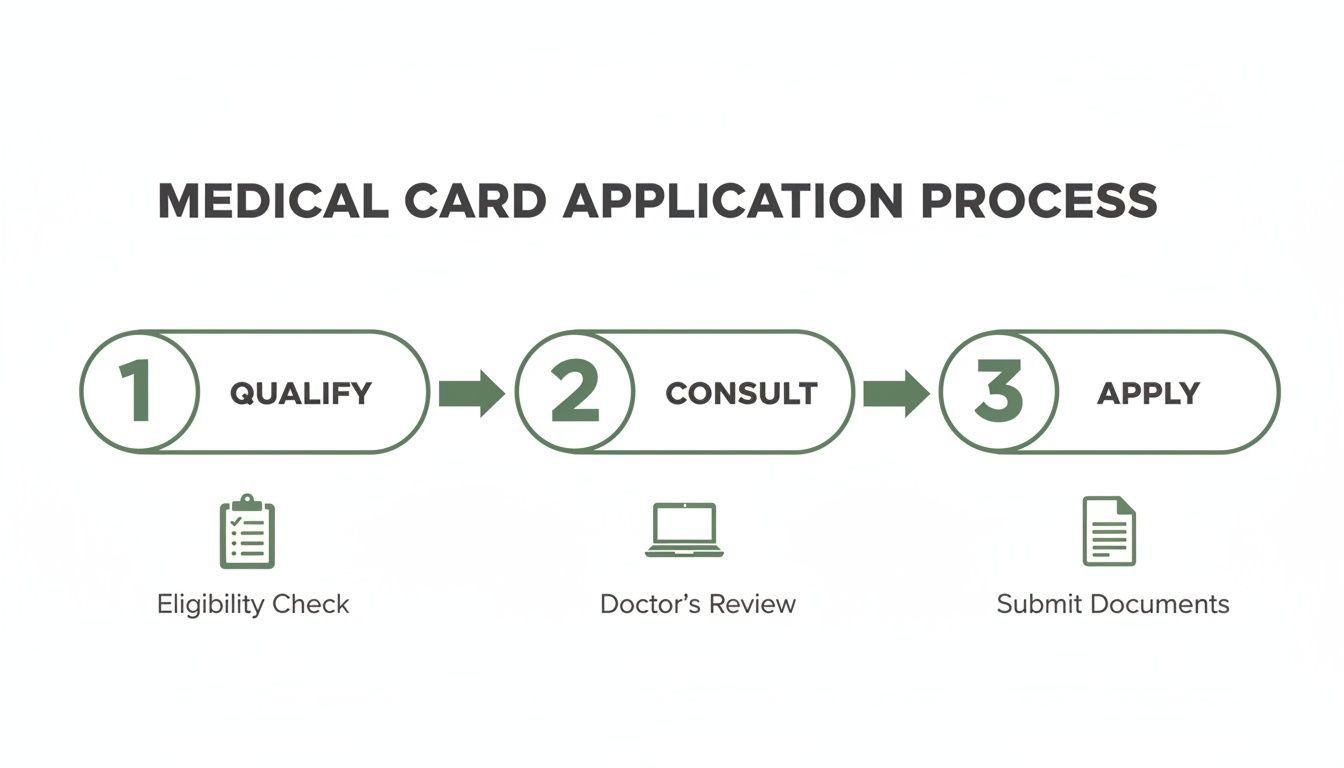
Practical Steps for Getting a Medical Marijuana Card in Mississippi
If you are a Mississippi resident and believe this could be the right path for you, the first step is a formal consultation to obtain your medical marijuana card.
- Seek Certification: You must be certified by a qualified practitioner who can confirm you have a qualifying condition under Mississippi law.
- Start Low and Go Slow: This is the most crucial rule for new patients. Begin with the lowest possible dose to see how your body responds before gradually increasing it.
- Keep a Journal: Track the product type, dosage, time of day, and your symptom levels. This log will help you and your provider identify the most effective treatment plan for your specific needs.
- Understand Mississippi Law: Familiarize yourself with Mississippi's regulations regarding legal possession limits, consumption methods, and transportation to ensure you always remain in compliance.
This regulated approach allows for a personalized pain management strategy, offering a new avenue for relief for qualifying patients in Mississippi.
2. Acupuncture and Traditional Chinese Medicine
Acupuncture is an ancient healing practice rooted in Traditional Chinese Medicine (TCM) that offers a compelling, evidence-backed approach to pain management. This method involves the insertion of very thin needles into specific points on the body to stimulate natural healing processes. For Mississippians seeking non-pharmacological options, acupuncture provides a complementary therapy that can work alongside conventional treatments to address the root causes of chronic discomfort.

How It Works for Pain Management
According to TCM, pain and illness arise from blockages or imbalances in the body's life force, or "qi," which flows along pathways called meridians. Acupuncture needles stimulate these specific points to restore proper flow, promoting balance and healing. Modern science suggests this stimulation triggers the nervous system to release endorphins, the body's natural painkillers, and influences chemicals that reduce inflammation and calm the brain's pain centers.
For example, a person suffering from chronic lower back pain may receive treatment targeting points on their back, legs, and even hands to alleviate muscle tension and nerve compression. Someone with frequent migraines might find that consistent sessions help reduce the frequency and severity of attacks by regulating nerve signals and blood flow.
Practical Steps for Getting Started
If you are considering acupuncture as one of your alternative pain relief methods, a structured approach is key.
- Find a Licensed Practitioner: Seek a qualified and licensed acupuncturist (L.Ac.) in Mississippi who can perform a thorough assessment of your condition.
- Communicate Clearly: Be specific with your practitioner about the location, type, and intensity of your pain. This helps them create a tailored treatment plan.
- Stay Consistent: Optimal results often require a series of treatments. Adhere to the recommended schedule your practitioner provides.
- Keep a Pain Journal: Track your symptoms, pain levels, and any changes you notice after each session. This feedback is valuable for adjusting your treatment.
This ancient practice offers a modern solution for managing persistent pain.
3. Physical Therapy and Therapeutic Exercise
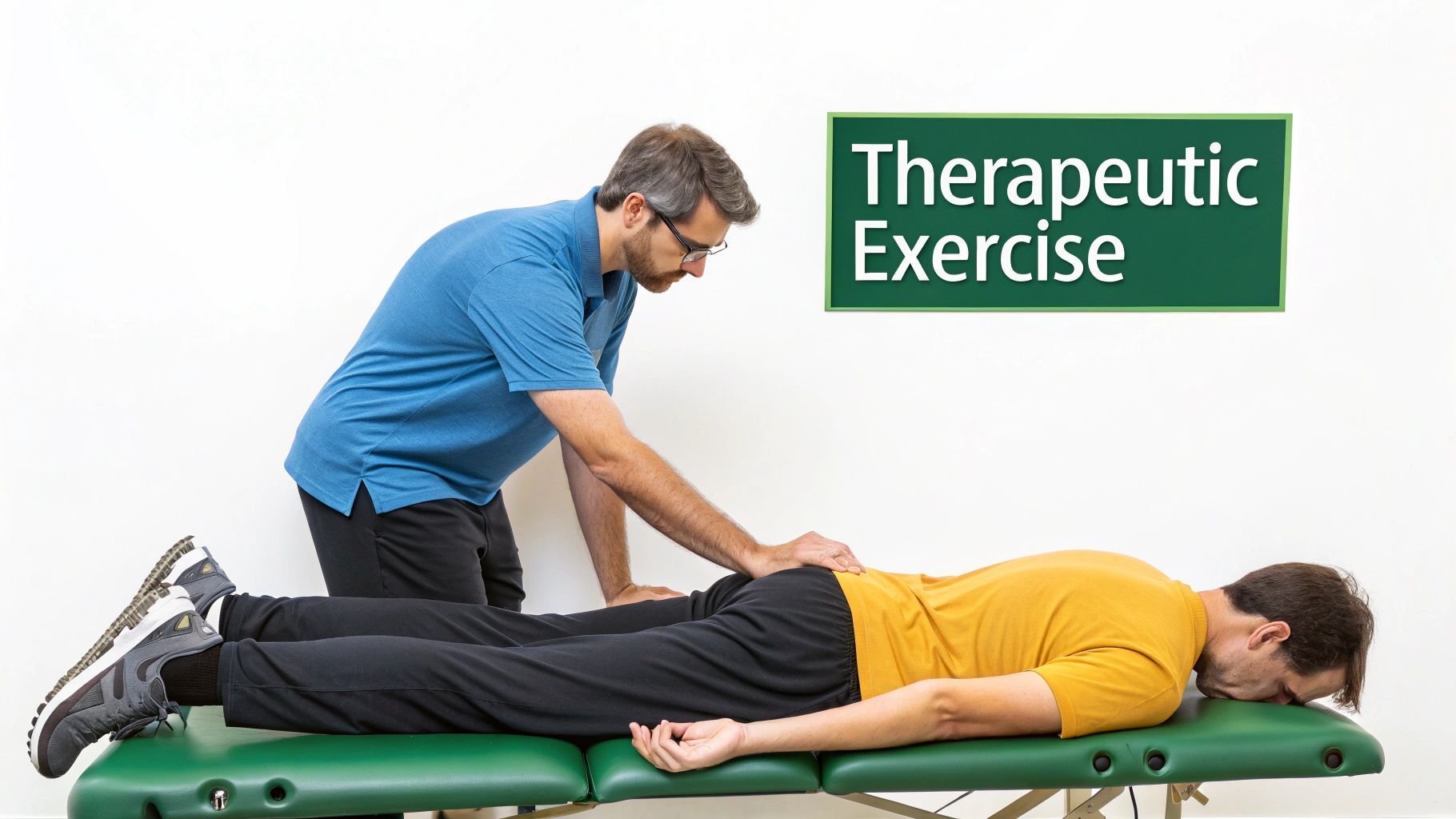
For Mississippians struggling with persistent pain, physical therapy and therapeutic exercise offer a proactive, structured approach to healing. This powerful alternative pain relief method moves beyond temporarily masking symptoms to address the root mechanical and functional causes of discomfort. It's a scientifically-backed discipline focused on restoring movement, building strength, and empowering you with the tools for long-term self-management, often preventing the need for more invasive procedures.
How It Works for Pain Management
A physical therapist designs an individualized program of targeted exercises, stretches, and hands-on techniques to improve how your body works. By strengthening weak muscles, increasing flexibility in tight areas, and correcting improper movement patterns, this therapy reduces strain on injured tissues and painful joints. The goal is to restore function and build resilience against future injury.
For instance, someone with chronic low back pain might learn specific core stabilization exercises to support their spine, while a person with arthritis could use aquatic therapy to build strength without stressing their joints. This personalized plan teaches you proper body mechanics for daily activities, effectively retraining your body to move in a healthier, less painful way.
Practical Steps for Getting Started
To get the most out of physical therapy, a collaborative and consistent effort is key.
- Get a Professional Evaluation: Start with a thorough assessment from a licensed physical therapist in Mississippi who can pinpoint the source of your pain and create a tailored treatment plan.
- Adhere to Your Home Program: The exercises you do between sessions are just as important as the therapy itself. Consistency is crucial for making progress.
- Communicate Openly: Be honest with your therapist about what hurts and what helps. This feedback allows them to adjust your program for maximum benefit and safety.
- Start Gradually: Don't push too hard, too soon. Your therapist will guide you to progress at a sustainable pace, ensuring you build strength without causing a flare-up.
This structured approach not only alleviates current pain but also provides a foundation for lasting wellness.
4. Mindfulness-Based Stress Reduction (MBSR) and Meditation
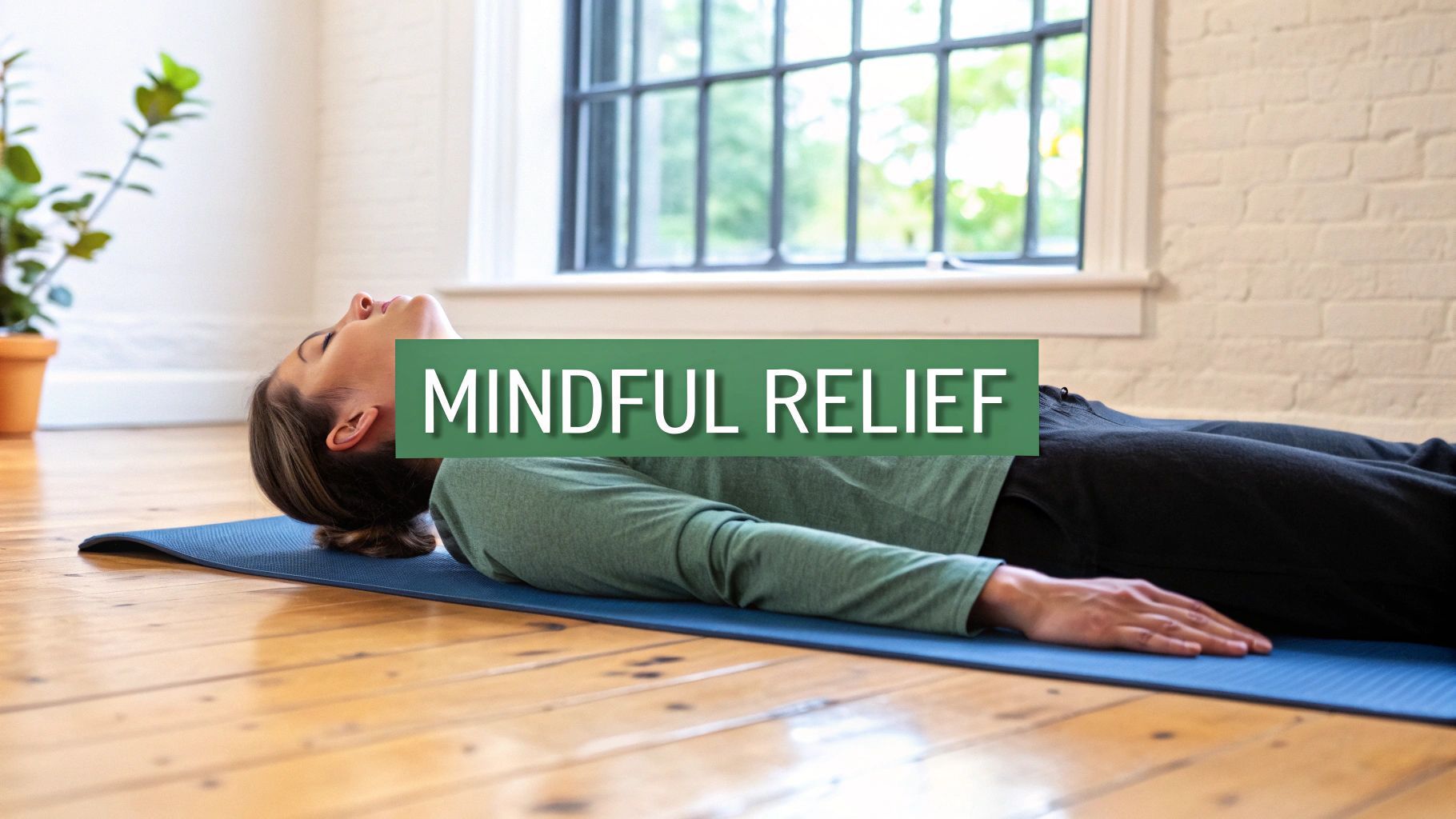
Mindfulness-Based Stress Reduction (MBSR) is a structured, eight-week program that trains the brain to respond differently to pain signals. This evidence-based approach combines mindfulness meditation, gentle body awareness exercises, and yoga to help individuals cultivate a non-judgmental, present-moment awareness. Instead of fighting against pain, you learn to observe it without the attached emotional suffering, which can fundamentally change your relationship with chronic discomfort.
How It Works for Pain Management
Chronic pain often involves a feedback loop where physical pain triggers stress, anxiety, and muscle tension, which in turn amplify the pain. MBSR interrupts this cycle. Research shows that consistent mindfulness practice can induce changes in brain regions associated with pain processing and emotional regulation. By developing psychological resilience, you can reduce the brain's reactivity to pain sensations.
For instance, a person with fibromyalgia might use a body scan meditation to notice sensations without labeling them as "bad," which can decrease their intensity. Someone suffering from chronic migraines may use mindful breathing to manage the onset of an attack, reducing associated anxiety and potentially lessening its severity. This mental training empowers you to manage your symptoms from the inside out.
Practical Steps for Getting Started
Integrating mindfulness into your routine is a gradual process that builds over time.
- Start Small and Be Consistent: Begin with just 5 to 10 minutes of guided meditation each day. Consistency is more important than duration, so aim to practice at the same time daily to build a strong habit.
- Use Guided Resources: Apps like Calm, Headspace, and Insight Timer offer extensive libraries of guided meditations specifically for pain relief, making it easy to start.
- Join a Community: Participating in a group class in Mississippi, whether online or in-person, provides accountability and community support, which can be highly motivating.
- Apply Mindfulness Casually: Practice being mindful during everyday activities. Pay full attention to the sensations of eating a meal or the feeling of your feet on the ground as you walk.
This approach is one of the most accessible alternative pain relief methods available. To dive deeper, you can explore mindfulness meditation for pain relief and see how it can complement your existing treatment plan.
5. Massage Therapy and Soft Tissue Manipulation
For Mississippians dealing with persistent muscle aches and stiffness, massage therapy offers a powerful, hands-on approach to pain management. This well-established alternative pain relief method involves the skilled manipulation of the body's soft tissues, including muscles, tendons, and ligaments, to release tension and promote healing. It is a complementary therapy that can provide immediate relief and long-term benefits when integrated into a comprehensive wellness plan.
How It Works for Pain Management
Massage therapy works by addressing pain at its source in the soft tissues. Techniques like Swedish, deep tissue, and trigger point therapy increase blood and lymph circulation, delivering more oxygen and nutrients to muscle tissues while helping to flush out metabolic waste products. This process reduces inflammation, breaks up painful muscle knots (adhesions), and stimulates the release of endorphins, the body's natural painkillers.
For example, an individual with chronic lower back pain from a sedentary job can benefit from deep tissue massage to release tightened muscles that compress nerves. Someone with fibromyalgia might find gentle Swedish massage helps to decrease widespread pain and improve sleep quality. The key is finding a licensed therapist who can tailor the session to your specific pain patterns and pressure tolerance.
Practical Steps for Getting Started
If you believe massage could be a beneficial addition to your pain management routine, here are some practical steps to take.
- Find a Licensed Professional: Seek a Licensed Massage Therapist (LMT) in Mississippi. A qualified professional will conduct an intake assessment to understand your pain and health history.
- Communicate Clearly: During your session, be open about your comfort levels. Let your therapist know if the pressure is too much or not enough, and point out specific areas of pain.
- Stay Hydrated: Drink plenty of water after your massage. This helps your body flush out the toxins released from your muscles during the session, preventing soreness.
- Schedule for Consistency: For chronic conditions, a single massage provides temporary relief. Regular sessions, such as bi-weekly or monthly, are essential for achieving cumulative and lasting benefits.
6. Heat and Cold Therapy (Thermotherapy)
One of the most accessible and time-tested alternative pain relief methods is the strategic use of temperature. Heat and cold therapy, also known as thermotherapy, is a simple yet powerful technique for managing both acute injuries and chronic pain. This low-cost, effective approach allows Mississippians to take direct control of their symptoms right from the comfort of their homes, providing immediate, localized relief without medication.
How It Works for Pain Management
Heat and cold therapy work through distinct physiological mechanisms. Heat therapy (thermotherapy) works by increasing blood flow to the affected area. This enhanced circulation delivers more oxygen and nutrients to damaged tissues, helping to relax tight muscles, decrease stiffness, and soothe aching joints. Cold therapy (cryotherapy) does the opposite; it constricts blood vessels, which reduces inflammation, swelling, and nerve activity, effectively numbing sharp pain.
For instance, an individual with chronic lower back stiffness might use a heating pad before starting their day to loosen muscles and improve mobility. Conversely, someone who experiences a flare-up of knee arthritis with significant swelling could apply a cold pack to reduce inflammation and numb the area.
Practical Steps for Getting Started
Integrating thermotherapy into your pain management routine is straightforward, but safety is paramount.
- Apply Heat for Muscle Tension: Use heat for 15-20 minutes at a time to ease muscle stiffness and chronic aches. This is ideal for conditions like arthritis or persistent back pain.
- Use Cold for Acute Injury: Apply cold for 10-15 minutes within the first 48 hours of an acute injury, like a sprain or strain, to minimize swelling and numb pain.
- Always Use a Barrier: Never apply a heat source or ice pack directly to your skin. Always wrap it in a towel or cloth to prevent burns or frostbite.
- Try Contrast Therapy: For certain conditions, especially post-exercise soreness, alternating between heat and cold can be highly effective. This contrast helps increase circulation and reduce inflammation simultaneously.
This fundamental approach can be an excellent standalone treatment or a complementary therapy used alongside other pain management strategies, providing a safe and natural way to manage symptoms.
7. Transcutaneous Electrical Nerve Stimulation (TENS)
Transcutaneous Electrical Nerve Stimulation, or TENS, is a non-invasive and drug-free method for managing pain right at the source. This therapy involves a small, portable device that sends low-voltage electrical currents through electrodes placed on the skin near the area of pain. TENS is one of the most accessible alternative pain relief methods, offering on-demand relief without medication and its potential side effects.
How It Works for Pain Management
The science behind TENS is based on two primary theories. First, the electrical pulses can interrupt or block pain signals from traveling along nerves to the brain, a concept known as the "gate control theory." If the pain signals don't reach the brain, your perception of pain is reduced. Second, the stimulation can encourage the body to produce its own natural painkillers, called endorphins.
For instance, someone with persistent lower back pain might place the TENS electrodes on either side of their spine to block aching sensations during the day. Similarly, an individual managing arthritic knee pain could use a TENS unit for 30 minutes before physical activity to decrease discomfort and improve mobility, allowing them to engage more fully in their rehabilitation exercises.
Practical Steps for Getting Started
If you think TENS therapy could benefit you, it is simple to integrate into your daily routine.
- Clean the Area: Always start by cleaning and drying the skin where you will place the electrodes to ensure a solid connection and effective treatment.
- Start Low, Go Slow: Begin with the lowest intensity setting and gradually increase it until you feel a strong but comfortable tingling sensation, not pain.
- Time Your Sessions: Use the device for sessions lasting 20 to 30 minutes, multiple times per day as needed for pain. Avoid leaving it on for extended periods to prevent skin irritation.
- Rotate Electrode Sites: To protect your skin, slightly change the position of the electrodes with each session. This is especially important for daily users.
TENS therapy offers a direct, patient-controlled approach to pain management, empowering you to address discomfort as it arises.
8. Herbal Remedies and Botanical Supplements
For Mississippians exploring natural and alternative pain relief methods, herbal remedies and botanical supplements offer a time-tested approach. These plant-derived compounds, validated by both traditional use and modern research, provide anti-inflammatory and analgesic properties. They serve as a powerful complementary tool, often with fewer side effects than some conventional pharmaceuticals, helping manage chronic pain from a holistic perspective.
How It Works for Pain Management
Many plants contain active compounds that interact with the body's pain and inflammation pathways. Unlike single-molecule drugs, these botanicals often work synergistically, offering a multi-targeted approach to relief. They can help reduce inflammation, relax tense muscles, and directly soothe nerve pain, making them a versatile option for various chronic conditions.
For example, someone with osteoarthritis might take a standardized turmeric supplement, as its active compound, curcumin, is a potent anti-inflammatory that can ease joint pain and stiffness. A person experiencing muscle soreness or bruising could apply topical arnica cream for localized relief, while another might use white willow bark, which contains salicin (a chemical similar to aspirin), for general aches.
Practical Steps for Getting Started
If you believe this could be a beneficial addition to your pain management plan, a thoughtful and informed approach is key.
- Consult a Professional: Before starting any new supplement, discuss it with your healthcare provider to ensure it is safe for you and won't interact with your current medications.
- Source Reputably: Choose high-quality supplements from brands that use third-party testing to verify purity and potency. Look for standardized extracts to ensure you receive a consistent, effective dose.
- Start Low and Be Patient: Begin with the lowest recommended dose to assess your body's tolerance. It can take two to four weeks of consistent use to notice the cumulative benefits of many herbal remedies.
- Track Your Progress: Keep a simple journal to note the supplement, dosage, and your pain levels. This record will help you identify which botanicals are most effective for your specific symptoms.
This approach allows you to harness the natural power of plants, adding another valuable layer to your personalized pain relief strategy.
9. Cognitive Behavioral Therapy (CBT) and Pain Psychology
Chronic pain is not just a physical sensation; it has significant mental and emotional components that can amplify suffering. Cognitive Behavioral Therapy (CBT) is a powerful, evidence-based psychological approach that addresses this connection. As one of the most effective non-pharmacological alternative pain relief methods, CBT helps you reframe your relationship with pain by changing the thought patterns and behaviors that worsen it, providing you with lasting coping skills.
How It Works for Pain Management
CBT operates on the principle that your thoughts, feelings, physical sensations, and actions are interconnected. For chronic pain, negative thought patterns like "this pain will never end" can trigger feelings of despair and lead to behaviors like avoiding activity, which in turn increases physical deconditioning and pain. CBT breaks this cycle by teaching you to identify, challenge, and replace these unhelpful thoughts with more balanced and constructive ones. This process, known as cognitive restructuring, can directly reduce your perception of pain intensity and its emotional impact.
For example, an individual with fibromyalgia might use CBT to stop "catastrophizing" (assuming the worst-case scenario) during a flare-up, instead using learned relaxation techniques to manage the discomfort. Someone with chronic back pain might overcome fear-avoidance behaviors, gradually re-engaging in activities they once enjoyed, which improves both mood and physical function.
Practical Steps for Getting Started
If you're ready to address the psychological dimensions of your pain, a structured approach is key.
- Seek a Specialist: Look for a licensed therapist or psychologist in Mississippi who has specific training in pain psychology or health psychology.
- Engage in Homework: CBT is an active therapy. Consistently practicing the skills and completing the exercises assigned between sessions is essential for success.
- Keep a Thought Journal: Track situations that trigger your pain, the automatic thoughts that arise, and your emotional and physical responses. This log provides critical data for you and your therapist to work with.
- Integrate Mind and Body: Combine CBT with your other pain management strategies, like physical therapy or medical marijuana. Addressing both the physical and psychological aspects of pain often yields the best results.
This structured therapy empowers you with tools to manage your pain from the inside out, offering a sustainable path to improved function and well-being.
10. Yoga and Gentle Movement Therapies
For those seeking holistic and gentle alternative pain relief methods, yoga and other movement therapies offer a powerful approach to managing discomfort. Far from just a form of exercise, therapeutic yoga integrates physical postures (asanas), controlled breathing (pranayama), and mindfulness to address the interconnected nature of pain. This method is particularly beneficial for Mississippians dealing with chronic conditions, as it improves flexibility, builds strength, and calms the nervous system simultaneously.
How It Works for Pain Management
Chronic pain often involves a complex cycle of physical tension, inflammation, and mental stress. Yoga helps break this cycle by gently stretching tight muscles, improving circulation to affected areas, and reducing the body's stress response. The focus on mindful movement and breath awareness helps retrain the brain's perception of pain, fostering a greater sense of control and well-being. This approach treats the whole person, not just the localized symptom.
For instance, an individual with chronic lower back pain can use supported yoga poses to decompress the spine and strengthen core muscles, providing long-term stability and relief. Similarly, someone with fibromyalgia may find that a gentle yoga practice reduces widespread pain and fatigue while improving sleep quality, demonstrating its value as a comprehensive pain management tool.
Practical Steps for Getting Started
Integrating yoga into your pain management plan should be a gradual and mindful process.
- Start with Gentle Classes: Begin with beginner, restorative, or therapeutic yoga classes to learn proper alignment and avoid injury. Look for instructors in your Mississippi community experienced in working with chronic pain.
- Communicate Your Needs: Always inform your instructor about your specific pain areas and limitations so they can offer modifications and appropriate props like blocks, blankets, or bolsters.
- Focus on Breath, Not Depth: The goal is not to force a deep stretch but to synchronize your breath with gentle movement. This mindful connection is where the primary therapeutic benefit lies.
- Practice Consistently: Aim for consistency over intensity. Practicing for 20-30 minutes, 3-4 times per week, will yield more significant and lasting benefits than one intense weekly session.
By carefully incorporating these practices, you can build a sustainable routine that enhances physical function and mental resilience, offering a new avenue for lasting relief.
Comparison of 10 Alternative Pain Relief Methods
| Treatment | Implementation Complexity 🔄 | Resource Requirements 💡 | Expected Effectiveness ⭐ | Speed / Efficiency ⚡ | Ideal Use Cases 📊 |
|---|---|---|---|---|---|
| Medical Marijuana (Mississippi Program) | Moderate — medical certification, legal compliance, dosage titration | Moderate — access to MS dispensary, consultation fee, product costs | ⭐⭐⭐ — strong evidence for chronic pain, neuropathy; response varies by patient | ⚡ Variable — inhalation fast, oral/topical slower; titration period weeks | Chronic inflammatory/neuropathic pain, opioid-sparing strategies, muscle spasticity |
| Acupuncture & Traditional Chinese Medicine | Moderate — requires licensed practitioner and session series | Low–Moderate — clinic visits, trained acupuncturist | ⭐⭐ — effective for chronic pain, migraines, arthritis in many patients | ⚡ Slow-moderate — benefits after multiple sessions (6–12) | Chronic back pain, migraines, osteoarthritis, postoperative pain reduction |
| Physical Therapy & Therapeutic Exercise | Moderate — individualized assessment and progressive program | Moderate–High — therapist, clinic/equipment, home adherence | ⭐⭐⭐ — addresses root causes; durable functional improvement | ⚡ Slow — noticeable gains often 4–8+ weeks with active participation | Rehab, post-op recovery, musculoskeletal injuries, prevention of recurrence |
| Mindfulness-Based Stress Reduction (MBSR) & Meditation | Low–Moderate — structured program or instructor-led course | Low — instructor/apps and daily time commitment | ⭐⭐ — reduces pain perception and emotional suffering; improves mood/sleep | ⚡ Slow — benefits develop over 6–8 weeks with regular practice | Chronic pain with stress/anxiety components, cancer-related pain adjunctive care |
| Massage Therapy & Soft Tissue Manipulation | Low–Moderate — technique-dependent, licensed therapist advised | Low–Moderate — per-session cost, therapist availability | ⭐⭐ — immediate tension/pain relief; effects often temporary without maintenance | ⚡ Fast — immediate during/after session; recurring sessions needed | Muscle tension, sports injuries, stress-related pain, mobility restrictions |
| Heat & Cold Therapy (Thermotherapy) | Low — self-administered with simple precautions | Very Low — heating pads, ice packs, wraps | ⭐ — immediate surface relief for many acute/chronic conditions | ⚡ Fast — immediate but usually short-lived relief | Acute strains, arthritis stiffness, post-exercise soreness, home self-care |
| Transcutaneous Electrical Nerve Stimulation (TENS) | Low–Moderate — basic user training for electrode placement | Low — portable device purchase; reusable electrodes | ⭐⭐ — provides immediate symptomatic relief for many; response varies | ⚡ Fast — relief during and shortly after use; portable | Neuropathic pain, postoperative pain control, arthritis, adjunct to PT |
| Herbal Remedies & Botanical Supplements | Low — requires careful product selection and monitoring | Low — OTC supplements; prefer third-party tested brands | ⭐ — modest anti-inflammatory/analgesic effects over time | ⚡ Slow — cumulative effects typically 2–4 weeks | Mild–moderate inflammatory pain, adjunct to other therapies, long-term support |
| Cognitive Behavioral Therapy (CBT) & Pain Psychology | High — structured therapy with trained clinicians | Moderate — regular sessions, homework, clinician expertise | ⭐⭐⭐ — durable reductions in pain amplification and improved function | ⚡ Slow — typical programs 8–12+ weekly sessions | Chronic pain with psychological drivers, catastrophizing, comorbid anxiety/depression |
| Yoga & Gentle Movement Therapies | Low–Moderate — guidance needed for safe modifications | Low — mat/classes/apps; optional props | ⭐⭐ — improves flexibility, strength, and reduces chronic pain over time | ⚡ Moderate — benefits accumulate with consistent practice (weeks) | Chronic back pain, arthritis, fibromyalgia, balance and stress-related pain |
Your Next Step Toward a Life with Less Pain in Mississippi
The journey toward managing chronic pain is deeply personal, and as we've explored, it rarely has a single, simple solution. We've navigated a diverse landscape of powerful, evidence-based alternative pain relief methods , moving far beyond a one-size-fits-all approach. From the ancient precision of acupuncture to the modern science of TENS therapy and the psychological empowerment of Cognitive Behavioral Therapy, the common thread is clear: you have options.
The true power lies not in choosing just one method, but in thoughtfully building a comprehensive, multi-faceted toolkit. Your path to relief might involve combining the gentle, strengthening movements of yoga with the targeted muscle release of massage therapy. It could mean using the immediate, accessible comfort of heat and cold therapy to manage daily fluctuations in pain while engaging in mindfulness to reshape your long-term relationship with discomfort. Each therapy offers a unique mechanism for interrupting pain signals, reducing inflammation, and improving function.
Key Takeaways for Building Your Pain Management Strategy
Mastering this approach is valuable because it shifts you from a passive recipient of care to an active participant in your own wellness. Instead of solely relying on one intervention, you create a resilient, adaptable system.
- Synergy is Your Ally: The most effective pain management plans often combine physical, mental, and biochemical strategies. For instance, physical therapy can rebuild strength and mobility, while medical marijuana may help manage the underlying pain and inflammation that makes that movement possible.
- Consistency Over Intensity: Many of these methods, such as therapeutic exercise, meditation, and even some herbal supplements, deliver their greatest benefits through consistent, regular practice. A gentle 15-minute daily stretching routine is often more impactful than a grueling, infrequent workout.
- Listen to Your Body: Pain is a signal. Pay attention to how your body responds to each therapy. What works wonders during an inflammatory flare-up might be different from what you need on a low-pain day. This self-awareness is your most crucial guide.
Integrating Medical Marijuana into Your Plan in Mississippi
For many Mississippians, medical marijuana has become a cornerstone of their integrative pain strategy. It can work in concert with many of the alternative pain relief methods discussed. For example, its potential to ease muscle spasticity can make physical therapy more productive, while its calming effects can deepen a mindfulness or meditation practice. The positive side effects, such as improved sleep and reduced anxiety, can further enhance the benefits of these other therapies.
Navigating the path to obtaining a medical marijuana card in Mississippi, however, can feel like a significant hurdle. Understanding the qualifying conditions, gathering the right documentation, and finding a certified provider are critical steps. This is precisely where specialized guidance becomes invaluable, ensuring the process is straightforward and supportive. The goal is to make this powerful therapeutic option accessible, allowing you to focus on what truly matters: finding relief and reclaiming your quality of life. Embracing a holistic view of pain care empowers you to build a life defined not by its limitations, but by its possibilities.
Ready to explore how medical marijuana can fit into your personalized pain relief plan? Schedule your consultation today to take a decisive step toward managing your pain with a medical marijuana card in Mississippi.
The post 10 Alternative Pain Relief Methods For Mississippi Residents appeared first on Pause Pain & Wellness.