Your Guide to the 1600 Calories a Day Diet Plan
When you're trying to manage your weight, the first question that usually pops up is, "How many calories should I actually be eating?" For many people, a 1600 calories a day plan can be a great starting point. It's not a magic number, but a specific target designed to create a moderate calorie deficit—the key to gradual, sustainable weight loss.
What Is a 1600 Calorie Diet, Really?
Think of your daily calorie intake as an energy budget. Every single thing you do, from working out to just breathing, spends from that budget. To lose weight, you need to spend more energy than you take in. This is the simple but powerful concept of a calorie deficit .
Eating 1600 calories a day is a way to create that deficit, encouraging your body to tap into stored fat for fuel.
Of course, everyone's "energy budget" is different. It depends on your age, sex, and how active you are. For example, dietary guidelines suggest that most women between 31 and 60 need somewhere between 1,600 and 2,200 calories just to maintain their weight. This makes 1600 calories a solid starting point for weight loss in that group, but it's definitely not a universal fit.
Who Is This Diet For?
So, who is a 1600-calorie plan actually a good fit for? It's often recommended for:
- Sedentary to moderately active women who want to see steady, gradual weight loss.
- Men with smaller frames or those who aren't very physically active.
- Anyone in a medically supervised weight management program where a doctor has set this specific target.
If you're in Mississippi and have any existing health conditions, it's especially important to be careful. Changing your diet can impact how your body responds to everything from medications to medical treatments.
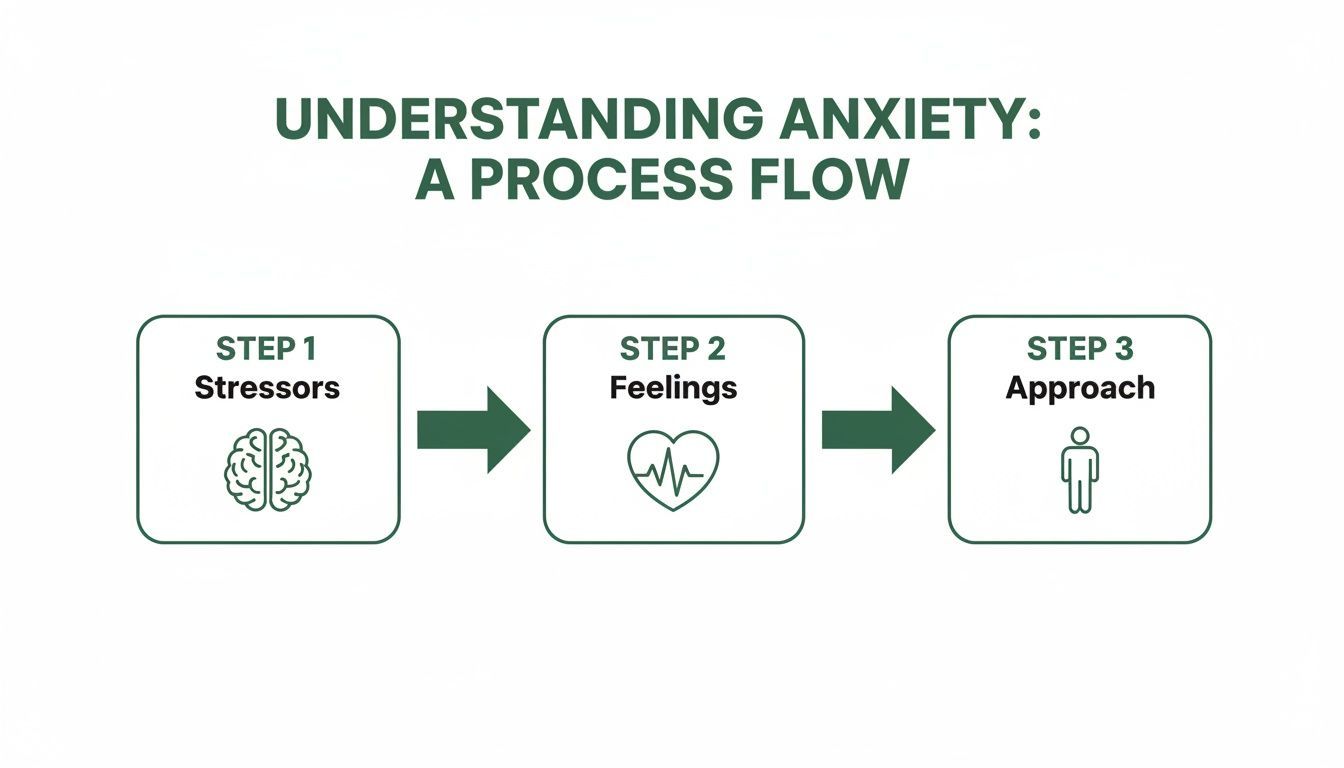
This flowchart gives you a quick visual to see if this calorie target might align with your personal goals.
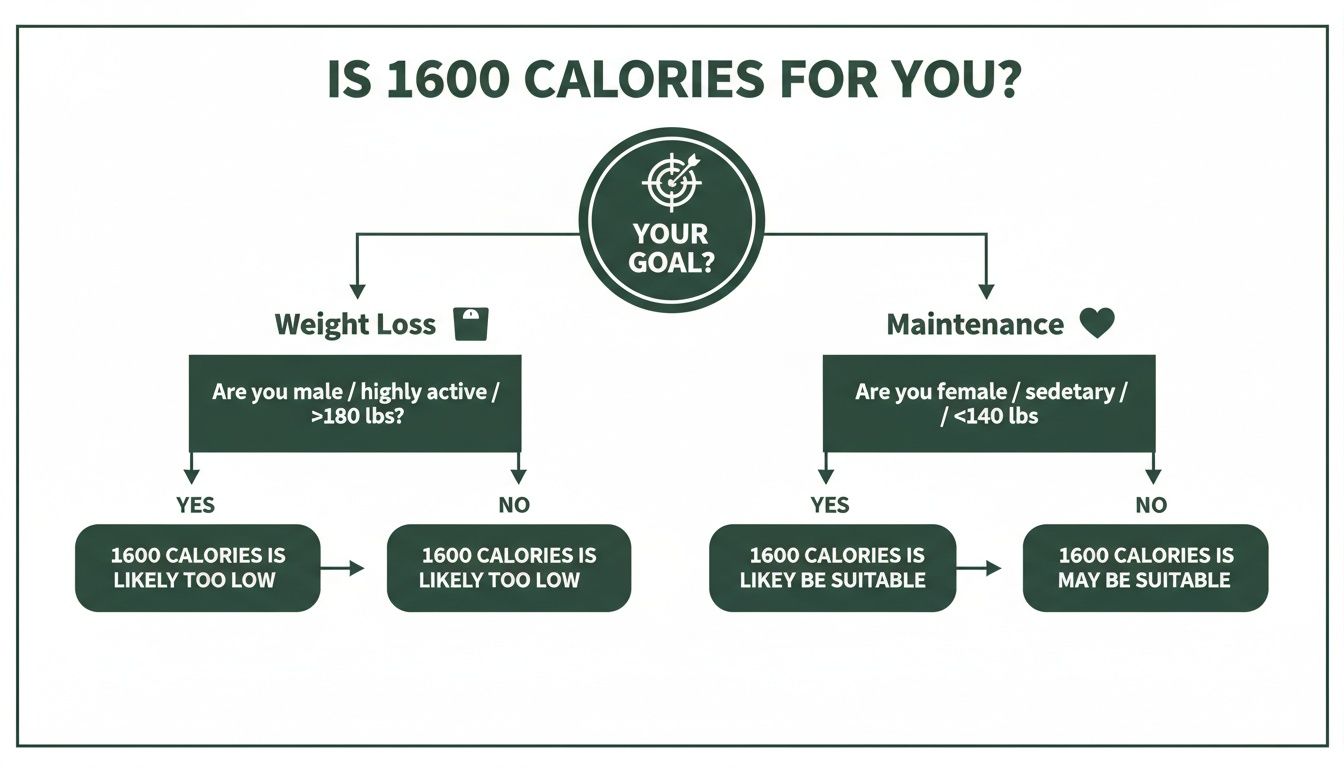
As you can see, whether this is for weight loss or just maintaining where you are depends entirely on you.
Why Professional Guidance Matters
Before you jump into any calorie-restricted diet, talking to a professional is the most critical first step you can take. This is non-negotiable if you have underlying health issues or are using treatments like medical Marijuana.
A healthcare provider can make sure your plan is safe, effective, and actually supports your long-term well-being. To learn more about this, check out our guide on how to lose weight safely. A supervised approach helps you navigate your health journey with confidence, knowing your nutrition plan is built for your body's unique needs.
Building a Nutrient-Rich 1600 Calorie Plate
Anyone can hit a calorie target. The real key to making a 1600 calories a day plan work is focusing on the quality of those calories. Think of it this way: your body is a high-performance machine, and nutrients are the premium fuel it needs to run smoothly.
Just counting calories without paying attention to where they come from is a recipe for feeling tired, hungry, and unsatisfied. This is the classic "empty calorie" trap—foods that give you a quick burst of energy but offer almost zero nutritional value. Instead, we want to make every single calorie count by choosing nutrient-dense foods that genuinely fuel your body.
The Macronutrient Trio: Protein, Carbs, and Fats
Every meal you eat should contain a balance of the three core macronutrients: protein, carbohydrates, and fats. Each one has a critical job to do, and getting the right mix is what keeps you feeling full, energized, and strong throughout the day.
-
Protein: The Builder. Protein is essential for building and repairing tissues, especially lean muscle. The more muscle you have, the more calories your body burns, even when you're just sitting on the couch. Good sources include chicken, fish, beans, and lentils.
-
Carbohydrates: The Fuel Source. These are your body's primary energy source. The trick is to choose complex carbs like quinoa, sweet potatoes, and whole oats. They provide a slow, steady stream of energy that keeps you going for hours, unlike the quick spike and crash you get from sugary snacks.
-
Healthy Fats: The Manager. Fats are vital for keeping everything running behind the scenes. They play a huge role in hormone production, absorbing vitamins, and supporting brain health. Think avocado, nuts, seeds, and olive oil.
Understanding what each of these does helps you build meals that truly support your body, not just fill a quota.
Micronutrients: The Tools for the Job
Beyond the big three, your body needs a whole toolbox of micronutrients—vitamins and minerals. You'll find them packed into colorful fruits and vegetables.
While they don't have calories, they're absolutely essential for everything from your immune system to how your body produces energy. A simple rule of thumb is to eat the rainbow. A plate full of different colors ensures you're getting a wide variety of these crucial tools, helping you feel your best.
A Look at Different Macronutrient Splits
Depending on your specific goals—whether it's general wellness, building muscle, or fueling an active lifestyle—you can adjust your macronutrient ratios. Here are a few common models to give you an idea of how you can structure your 1600-calorie intake.
Sample Macronutrient Split for a 1600-Calorie Diet
| Goal | Protein (Grams) | Carbohydrates (Grams) | Fats (Grams) |
|---|---|---|---|
| Balanced Nutrition | 100g (25%) | 180g (45%) | 53g (30%) |
| Muscle Maintenance | 140g (35%) | 140g (35%) | 53g (30%) |
| Higher Energy | 100g (25%) | 200g (50%) | 44g (25%) |
These numbers aren't set in stone. They're a starting point you can fine-tune with a healthcare professional to find the perfect balance for your body and your wellness journey.
Creating a Plate That Keeps You Satisfied
The secret to sticking with any eating plan is building meals that actually leave you feeling full and satisfied. An unbalanced meal will have you reaching for snacks an hour later, which can easily derail your progress.
A great visual guide is the "plate method": fill half your plate with non-starchy vegetables, a quarter with lean protein, and the remaining quarter with complex carbohydrates. This simple trick helps you build a nutrient-rich meal every single time.
This approach does more than just control calories; it maximizes satiety, which is the feeling of fullness you get after eating. Protein and fiber are especially good at keeping hunger away. To dive deeper into this, check out our article on the benefits of protein for weight loss. By focusing on these high-satiety foods, you'll find it much easier to manage cravings and stay on track.
For our patients in Mississippi with a medical Marijuana card, appetite management can sometimes be a challenge. A diet rich in protein and fiber is particularly helpful here, as it promotes that feeling of fullness and supports mindful food choices that align with your health goals. A balanced plate truly is one of the most powerful tools in your wellness toolkit.
A Sample 3-Day, 1600-Calorie Meal Plan
Knowing the "what" and "why" behind a healthy diet is a great start, but the real magic happens when you put it on your plate. To help you bridge that gap, we’ve put together a straightforward and tasty 3-day sample meal plan that lands right around 1600 calories a day .
Think of this less as a strict rulebook and more as a launchpad. It’s designed to show you just how satisfying and delicious a calorie-conscious diet can be. Feel free to mix and match meals, or use the "smart swaps" we’ve included to make it your own.
So, why 1600 calories a day ? For many women, this number creates a gentle and sustainable energy deficit needed for weight loss. The official Dietary Guidelines for Americans suggest women aged 19-30 need 1,800 to 2,400 calories to maintain weight, while those 31-50 need between 1,800 and 2,200. This makes 1,600 a solid therapeutic target for steady progress. For a deeper dive, check out this health article from Medical News Today.
Your 3-Day Meal Plan Example
Here’s a snapshot of what three days of balanced eating can look like. Each day is built to deliver a healthy mix of protein, fats, and complex carbs to keep you full and your energy levels stable.
Day 1: Fueling Up Right
- Breakfast (Approx. 350 calories): Kick off your day with a comforting bowl of oatmeal. Cook ½ cup of rolled oats with water or unsweetened almond milk, then top it with ½ cup of mixed berries and a tablespoon of chopped almonds for a hit of fiber and healthy fats.
- Lunch (Approx. 450 calories): Build a big, satisfying salad on a bed of mixed greens. Add 4 ounces of grilled chicken breast, ½ cup of chickpeas, sliced cucumbers, and cherry tomatoes, all tossed in a light vinaigrette.
- Dinner (Approx. 550 calories): A simple baked salmon dinner is hard to beat. A 4-ounce fillet seasoned with herbs, served with a cup of steamed broccoli and ½ cup of quinoa, is both nutrient-packed and delicious.
- Snack (Approx. 250 calories): Go for a Greek yogurt parfait. Just layer ½ cup of plain Greek yogurt with a small sliced banana and a sprinkle of cinnamon.
Day 2: Simple and Satisfying
- Breakfast (Approx. 300 calories): Scramble two large eggs with a big handful of spinach and serve it alongside a slice of whole-wheat toast. It’s a protein-packed start that will keep you going for hours.
- Lunch (Approx. 400 calories): A hearty turkey wrap is perfect for midday. Grab a whole-wheat tortilla and fill it with 3-4 ounces of lean turkey, lettuce, tomato, and a tablespoon of hummus. A side of baby carrots adds a nice crunch.
- Dinner (Approx. 600 calories): Whip up a quick and flavorful chicken stir-fry. Sauté 4 ounces of diced chicken breast with a colorful mix of bell peppers, onions, and snap peas. Use a low-sodium soy sauce or coconut aminos for flavor and serve it over ½ cup of brown rice.
- Snack (Approx. 300 calories): An apple with two tablespoons of peanut butter is the perfect combo of fiber, protein, and healthy fats to crush cravings.
Day 3: Deliciously Diverse
- Breakfast (Approx. 350 calories): Blend up a quick smoothie. Combine 1 scoop of protein powder , ½ cup of frozen strawberries, a handful of spinach, and 1 cup of unsweetened almond milk .
- Lunch (Approx. 450 calories): A warm bowl of black bean soup is incredibly filling. A generous 1.5-cup serving topped with a dollop of Greek yogurt and a few slices of avocado hits the spot.
- Dinner (Approx. 500 calories): Time for tacos! Cook 4 ounces of lean ground turkey with taco seasoning. Serve it in two corn tortillas with shredded lettuce, diced tomatoes, and your favorite salsa.
- Snack (Approx. 300 calories): A small handful of almonds (about ¼ cup) paired with a pear is a simple, effective way to curb hunger until dinner.
Remember: Hydration is key. Drinking plenty of water is non-negotiable. It helps manage hunger, supports your metabolism, and keeps your energy up. Aim for at least eight glasses a day.
Smart Food Swaps for Customization
The best eating plan is one you can actually stick with, and that means flexibility is crucial. If you don’t like an ingredient or just need a change of pace, these simple swaps will keep things interesting.
- Protein Swaps: Not a chicken fan? No problem. Swap it for an equal portion of fish, lean turkey, tofu, or lentils.
- Carb Swaps: If you're tired of quinoa or brown rice, try a baked sweet potato, whole-wheat pasta, or barley instead.
- Veggie Swaps: Feel free to get creative here. Any non-starchy vegetable like asparagus, zucchini, cauliflower, or green beans can be swapped in easily.
- Snack Swaps: Don’t like yogurt? Try cottage cheese. Allergic to nuts? Sunflower or pumpkin seeds make great alternatives.
Use this sample plan as your guide, and you’ll be well on your way to building weekly menus that fit your 1600-calorie a day goal without sacrificing flavor or variety.
Pairing Your Diet with Smart Physical Activity
Think of your diet and your movement as two sides of the same coin. A 1600 calories a day plan is a massive step forward, but when you pair it with smart physical activity, you start to see real, lasting change. This isn't about grinding through workouts you hate; it's about finding movement that fits your life and actually amplifies your results.
Your diet creates the calorie deficit needed to lose weight—that’s the foundation. Exercise is what builds on top of it, creating a stronger, more efficient body. When you move, you build lean muscle, and that muscle revs up your metabolism. A faster metabolism means you burn more calories even when you’re just sitting on the couch, which makes keeping the weight off so much easier down the road.
Finding Activities You Genuinely Enjoy
Let’s be honest: the best workout plan is the one you’ll actually do. Consistency will always beat intensity, especially when you're just getting into a routine. The secret is finding something that doesn't feel like a punishment.
For most of us here in Mississippi, that means leaning into simple, accessible movement.
- Walking: A brisk walk through your neighborhood or along a local trail is a fantastic, low-impact way to burn calories and clear your head.
- Strength Training: You don't need a gym. Bodyweight exercises are incredibly effective for building muscle and bone density. Think squats, lunges, and push-ups, all from the comfort of your living room.
- Recreational Activities: Don't discount the power of fun! Gardening, dancing, or hopping on a bike for a casual ride are all great ways to stay active without even thinking about it.
The goal to aim for is about 150 minutes of moderate-intensity activity per week. You can break that down however you want. A 30-minute walk five days a week is a perfect start.
Looking Beyond the Numbers on the Scale
The scale only tells part of the story. It's easy to get frustrated if the number isn't dropping as quickly as you hoped, but your progress is happening in ways a scale can't measure. That’s why we celebrate the "non-scale victories."
These are the real-world improvements that show your hard work is paying off. Recognizing them is what keeps you motivated for the long haul. When you feel like you've hit a wall, it’s these wins that remind you to keep going. If you're feeling stuck, our guide on how to overcome weight loss plateaus can help you push through.
A truly successful wellness journey is measured not just in pounds lost, but in life gained. Celebrate the small wins, as they are the building blocks of profound, long-term change.
Celebrating Your Non-Scale Victories
Try keeping a running list of these positive shifts. You'll probably be surprised by how fast they add up and how much they’re changing your daily life for the better.
Common Non-Scale Victories to Look For:
| Category | Example Victory | Why It Matters |
|---|---|---|
| Energy Levels | Waking up feeling rested before your alarm. | Your body is finally getting quality sleep and using fuel more efficiently. |
| Physical Fitness | Climbing stairs without feeling winded. | This is a clear sign your cardiovascular health and endurance are improving. |
| Clothing Fit | Your favorite jeans feeling a little looser. | You could be losing inches and building muscle, even if the scale hasn't budged. |
| Mental Clarity | Feeling more focused and less foggy at work. | Better nutrition and movement directly support your brain function. |
| Pain Reduction | Noticing less joint or chronic pain. | Weight loss takes pressure off your joints, and exercise helps ease stiffness. |
For our patients in Mississippi managing chronic conditions with a medical Marijuana card, these victories are often the most meaningful. Less pain, better sleep, and more energy—these are the tangible improvements that give you your life back. They show just how powerful an integrated approach to wellness can be.
Why Medical Guidance Is Crucial for Your Success
Jumping into a new diet is a major health decision—one that goes way beyond what you put on your plate. While a plan like eating 1600 calories a day can be a fantastic tool for managing your weight, it’s not a journey you should start on your own. Honestly, professional medical oversight is the single biggest factor in making sure your results are both safe and sustainable.
Think of it this way: a diet plan is like a route you punch into your GPS. A healthcare provider is your live traffic controller, helping you navigate around personal roadblocks like pre-existing conditions and making sure you get to your destination without any nasty surprises. This guidance is absolutely essential for Mississippians who are also managing health issues like diabetes, chronic pain, or heart disease.
Tailoring the Plan to Your Unique Health Profile
No two people are the same, and neither are their health needs. A generic, one-size-fits-all diet plan simply can't account for your specific medical history, current medications, or unique metabolism. A healthcare provider can build a strategy that’s truly personalized to what your body needs.
For instance, they can adjust your plan to make sure it supports—not complicates—your existing treatments. This is especially important for patients in Mississippi who have a medical Marijuana card.
A medically supervised plan ensures your weight management journey is not only effective but also safely integrated with your complete wellness profile, creating a truly holistic path to better health.
What you eat can change how your body responds to medical Marijuana, affecting everything from your appetite to how well the treatment works. A provider who understands this can guide you on balancing your nutrition to work with your treatment, helping you get the most benefit and manage your symptoms more effectively. You can learn more about this integrated approach by exploring what medical weight loss truly involves.
The Importance of Safe Caloric Baselines
Setting the right calorie target is the foundation of any effective diet, and this isn't just guesswork—it's based on solid nutritional science. For decades, dietary guidelines have stressed the importance of baseline calorie levels to prevent malnutrition while supporting a healthy weight. These aren't just arbitrary numbers; global nutrition policies are built on frameworks that establish adequate daily energy intake as fundamental to health, especially for those with less active lifestyles. A medical professional makes sure your 1600 calories a day plan meets these safe, essential thresholds for your body.
A Partnership for Long-Term Wellness
Ultimately, working with a healthcare provider turns your diet from a short-term fix into a long-term wellness strategy. They give you the accountability, expert adjustments, and medical oversight you need to push through challenges and celebrate the wins. This partnership is about so much more than losing weight; it’s about building a healthier, more resilient you.
For patients managing chronic conditions with medical Marijuana, this team-based approach is a game-changer. A provider can help you:
- Optimize Your Diet: Ensure your food choices support your treatment goals and help manage side effects like changes in appetite.
- Monitor Your Health: Keep a close eye on key health markers to make sure your diet is having a positive impact on your overall well-being.
- Adjust as Needed: Make smart changes to your plan as your health needs evolve, ensuring you keep making safe progress.
This level of personalized care takes the guesswork out of the equation and gives you a clear, supported path forward, making your health goals more achievable than ever before.
Answering Your Questions About the 1600-Calorie Diet
When you’re thinking about making a big change to your eating habits, it’s only natural to have a few questions. Let's clear up some of the most common things people ask about a 1600-calorie a day diet, so you can feel confident and informed.
A new eating plan doesn't have to be confusing. With the right information, you can make smart choices that truly align with your health goals.
Can I Really Lose Weight on 1600 Calories a Day Without Exercise?
Yes, absolutely. Weight loss is fundamentally about creating a calorie deficit, meaning you consume fewer calories than your body burns. If 1600 calories a day achieves that for you, you will lose weight, even without hitting the gym.
But here’s the thing: for lasting, meaningful health improvements, diet and exercise are a powerful combination. Exercise does more than just burn a few extra calories—it builds lean muscle. That's a huge win because muscle is metabolically active, torching more calories than fat even when you're just sitting on the couch. This helps give your metabolism a long-term boost.
And let's not forget the other perks. Regular movement is incredible for your heart health, works wonders for your mood, and gives you a noticeable lift in your energy levels. For results that stick, a balanced approach is always the better way to go.
What Are the Best Foods to Eat on a 1600-Calorie Diet?
A successful 1600-calorie a day plan is built with nutrient-dense, whole foods. The real goal isn't just to hit a number; it's to fuel your body with quality ingredients inside that calorie budget.
You want to get the most nutritional bang for your buck. Focus on these cornerstones:
- Lean Proteins: These are your best friends for feeling full and satisfied while also supporting muscle repair. Think chicken breast, fish, beans, lentils, and Greek yogurt.
- Complex Carbohydrates: Forget the quick energy spikes and crashes from simple carbs. Complex carbs like quinoa, sweet potatoes, oats, and brown rice provide steady, sustained fuel.
- Healthy Fats: Crucial for everything from brain health to hormone production, healthy fats also make you feel satisfied. Avocado, nuts, seeds, and a drizzle of olive oil are all great choices.
After that, load up the rest of your plate with a rainbow of vegetables and fruits. This ensures you’re getting a wide array of vitamins, minerals, and fiber. This strategy not only keeps you on track with your calories but also helps you sidestep the fatigue and nagging cravings that come with a diet full of "empty calories."
How Do I Handle Hunger and Cravings?
Let’s be honest, managing hunger is one of the toughest parts of adjusting to fewer calories. But there are some incredibly effective strategies to help you stay in control.
First, build every meal to be satisfying. That means making sure you have a solid source of protein, healthy fats, and fiber on your plate each time you eat. This trio works together to slow down digestion and keep you feeling full longer. This can be particularly helpful for patients in Mississippi with a medical Marijuana card who might experience changes in appetite.
Next up: hydrate, hydrate, hydrate. It's so easy to mistake thirst for hunger. Sipping water consistently throughout the day can put a major dent in unnecessary snacking. Aim for at least eight glasses.
The secret weapon here is mindful eating. Before you grab a snack, pause and ask yourself if you're truly hungry or just bored or stressed. When you do eat, slow down and savor it. This helps you recognize your body's "I'm full" signals before you've overdone it.
And finally, plan for smart snacks. Having high-volume, low-calorie options like berries, cucumber slices, or baby carrots on hand gives you something healthy to reach for when a craving hits.
Is a 1600-Calorie Diet Safe for Everyone?
No, a 1600-calorie a day diet is definitely not a one-size-fits-all solution. An individual's calorie needs are incredibly personal and depend on a whole host of factors.
These key factors include:
- Age: Our calorie needs tend to decrease as we get older.
- Sex: Men generally need more calories than women because of differences in body composition.
- Activity Level: Someone with a physically demanding job or an active lifestyle needs way more fuel than someone who is sedentary.
- Medical History: Your health conditions and any medications you take can significantly impact your dietary needs.
For a lot of people—like active men, for example—1600 calories would be far too low, potentially leading to fatigue and nutrient deficiencies.
This is why it's so important to talk with a qualified healthcare provider in Mississippi before starting any new diet. A professional can properly assess your unique situation and help you find a calorie target that is both safe and effective for your body and goals. That expert guidance is the foundation of a healthy, successful journey.
At Pause Pain and Wellness , we believe in a supported, medically-guided approach to health. If you're in Mississippi and ready to create a personalized plan that works for your body and your life, our team is here to help you every step of the way. Visit us at https://pausethepain.com to learn more and schedule your consultation today.
The post Your Guide to the 1600 Calories a Day Diet Plan appeared first on Pause Pain & Wellness.