Holistic Approach to Pain Management: Mississippi Pain Relief & Wellness
When we talk about a holistic approach to pain management , we're talking about a strategy that looks at the whole person —not just the isolated ache or symptom. This approach recognizes that your physical pain is deeply connected to your mental well-being and daily life. It’s about building a real, sustainable path to feeling better for good.
Rethinking Pain Relief: A Mississippi Perspective

Waking up to another day of chronic pain can be an exhausting and lonely experience. Here in Mississippi, many people get caught in a frustrating cycle of temporary fixes that never seem to address the real problem. Holistic care offers a different way forward, shifting the focus from just masking symptoms to fostering genuine, whole-body healing.
This isn't about finding a single magic bullet. Think of it more like building a strong, reliable support system for your health. Relying on one treatment alone is like trying to balance something heavy on a single point—it's incredibly unstable. A holistic plan, on the other hand, creates a wide, sturdy base by weaving together multiple strategies that strengthen and support each other.
Understanding the Scale of Chronic Pain
The challenge of persistent pain is massive. It’s a major health issue that affects millions of people. Globally, about 20% of adults are living with chronic pain. The problem is especially acute here in the United States, where the Centers for Disease Control and Prevention (CDC) reports that nearly 50 million adults are suffering.
That number has been climbing, which tells us we desperately need better, more comprehensive ways to manage pain. You can find more insights about the prevalence of chronic pain to see just how widespread this issue is.
A Personalized Path to Wellness
A holistic approach is built on one simple truth: everyone’s pain is different. That means your path to relief should be just as unique. It’s all about creating a multi-faceted plan that pulls from different areas to give you the best possible outcome.
This kind of integrated plan might include:
- Medical Marijuana: For qualifying Mississippi residents, this can become a natural cornerstone for managing pain and inflammation, offering many positive side effects like improved sleep and reduced anxiety.
- Mindful Movement: We're not talking about intense workouts. Gentle exercises and physical therapy can help restore function and ease strain on your body.
- Mental Health Support: Pain takes a mental toll. Learning techniques to manage stress and anxiety can break the vicious cycle where pain sinks your mood, and a low mood makes the pain feel even worse.
- Lifestyle Adjustments: Simple changes in nutrition and sleep can lay a powerful foundation for your body's natural ability to recover.
By weaving these elements together, you get a plan that's truly yours—one that is both empowering and sustainable. This strategy offers a real route to a better quality of life, finally putting you back in the driver's seat of your own health.
Why More People Are Choosing Integrative Pain Therapies
Think of your health like a house. Trying to manage chronic pain with just a single painkiller is like propping up the entire roof with one lonely support beam. It might work for a little while, but eventually, the strain is too much, and the whole structure starts to weaken. This is precisely why we're seeing a huge shift in how people in Mississippi are thinking about their health—they're moving away from one-off fixes and toward building a much stronger foundation for a pain-free life.
This smarter direction is what we call a holistic approach to pain management . Instead of relying on that one wobbly beam, we build a robust support system with multiple pillars working in harmony. Each pillar—whether it's medical Marijuana, physical therapy, or mental health support—adds its own strength and stability. Together, they create a structure that can actually stand up to the constant pressure of chronic pain.
Moving Beyond Symptoms to Find Real Solutions
So, why are so many people seeking out this integrated path? For a lot of them, it comes down to being fed up with treatments that either bring on a host of unwanted side effects or only provide a temporary band-aid. They're ready to take back control of their wellness journey and want therapies that get to the root cause of their pain, not just silence the alarm bells.
This trend is more than just a fad; it’s a fundamental shift in how we view health. It’s about moving from a passive role—where you’re just handed a prescription—to an active one, where you become a partner in crafting a personalized plan for lasting relief and balance.
This growing desire for deeper, more sustainable healing isn't just a feeling; it's backed by hard numbers. The use of complementary health approaches has exploded in popularity. One analysis showed that the percentage of people using at least one complementary health approach nearly doubled in just 20 years, jumping from 19.2% in 2002 to 36.7% in 2022 . A significant portion of that growth comes from people using these methods specifically for pain, proving that finding better relief is a major driver. You can discover more about the rise in complementary health approaches directly from the National Institutes of Health.
The Power of a Multi-Faceted Plan
An integrative strategy works because it acknowledges a simple truth: pain is rarely just a physical problem. It's almost always tangled up with stress, inflammation, sleep patterns, and other lifestyle factors. By tackling all of these interconnected pieces at once, a holistic plan creates a powerful synergistic effect—the combined result is far greater than what any single therapy could achieve on its own.
Just think about how different therapies can team up:
- Medical Marijuana: For qualifying patients in Mississippi, medical Marijuana can help turn down the volume on pain signals and reduce inflammation, offering a more natural foundation for relief with positive side effects like better sleep.
- Physical Therapy: This pillar gets your body moving correctly again. It strengthens key muscles and corrects the underlying mechanical problems that were causing the pain in the first place.
- Stress Management: Techniques like mindfulness and deep breathing can calm the nervous system, breaking the vicious cycle where stress makes pain feel worse, and pain, in turn, creates more stress.
This interconnectedness is what makes a holistic approach feel so empowering. It's not about one magic bullet; it's about giving you a whole toolkit of options. You can build a personalized strategy that truly fits your body's unique needs and changes as you heal. It’s a proactive journey toward reclaiming your life from pain, one supportive pillar at a time. To better understand this framework, you might be interested in our guide on what integrative medicine is and how it works.
Building Your Holistic Pain Management Plan
A good holistic pain management plan isn't just a grab-bag of different therapies. It's a carefully thought-out blueprint where every piece works together to support you. Think of it less like a generic prescription and more like a custom-built strategy designed to bring your whole system back into balance.
For folks here in Mississippi, that means putting together a plan that touches on several pillars of health. Each one tackles pain from a different angle—physical, mental, and even biochemical. When you combine them, the effect is so much more powerful than any single treatment on its own. It's about getting lasting relief and genuinely improving your quality of life.
Medical Marijuana: A Natural Foundation
For many people in Mississippi with a qualifying condition, medical Marijuana is an effective and natural starting point. It works by tapping into your body's own endocannabinoid system, a complex network that helps keep things like pain, inflammation, and sleep in check.
What’s interesting are the positive side effects people often report—better sleep, less anxiety, and a much gentler experience compared to harsh pharmaceuticals. By calming the nervous system and tamping down inflammation, it creates a solid foundation that makes all the other therapies work even better.
This map gives you a good visual of what we're talking about.
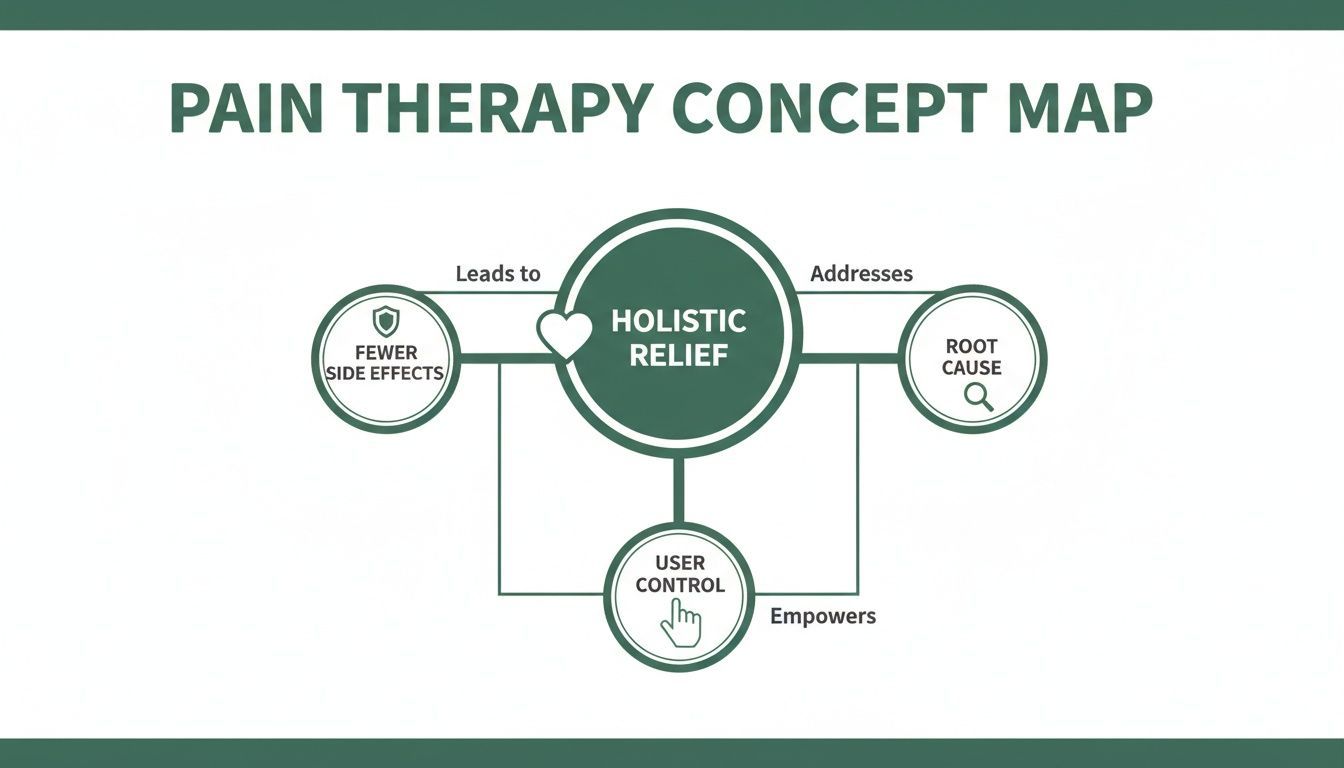
As you can see, the whole idea is to give you more control, get to the root of the problem, and do it with fewer side effects.
This integrated approach often includes several key components, each playing a distinct but complementary role. Let's break down the main pillars that form the backbone of a truly effective plan.
| Component | Primary Role in Pain Management |
|---|---|
| Medical Marijuana | Reduces inflammation and pain perception by interacting with the body's endocannabinoid system. |
| Physical Therapy | Restores function, improves mobility, and strengthens muscles to reduce strain and prevent re-injury. |
| Nutrition | Calms the body from the inside out by reducing systemic inflammation through anti-inflammatory foods. |
| Mental Health Support | Breaks the pain-stress cycle by teaching coping mechanisms and reframing the emotional response to pain. |
| Sleep Hygiene | Promotes physical and mental repair, as deep sleep is when the body heals tissue and reduces inflammation. |
Each of these pillars is a tool in your wellness toolbox. When used together, they create a comprehensive strategy that addresses pain from every conceivable angle.
Therapeutic Movement: Restoring Function
When you're in pain, the very last thing you want to do is move. I get it. But gentle, therapeutic movement is absolutely crucial for long-term recovery. We're not talking about powering through a Crossfit workout; this is about targeted exercises designed to bring back function, improve your range of motion, and strengthen the muscles that support your sore spots.
Physical therapy, simple stretching, or even a daily walk can work wonders. These activities help by:
- Improving joint function and flexibility, which cuts down on that morning stiffness.
- Strengthening your core muscles to give your spine the support it needs.
- Boosting blood flow to injured areas, which is key for healing.
- Fixing poor posture and bad habits that might be making the pain worse.
Basically, movement retrains your body to work the way it's supposed to, breaking that awful cycle of pain and inactivity. It’s a vital step toward getting your freedom back.
Anti-Inflammatory Nutrition: Fueling Your Body
The old saying "you are what you eat" is especially true when it comes to pain. The food you put in your body can either pour gasoline on the fire of inflammation or help put it out. Chronic inflammation is a huge driver of persistent pain, particularly for conditions like arthritis.
A core idea here is that food is medicine. By making thoughtful choices at the grocery store, you can actively help your body heal itself and lower your overall pain levels.
This doesn't mean you're stuck with a boring, restrictive diet. It’s just about tipping the scales in your favor—adding more healing foods and cutting back on the stuff that triggers inflammation. Think about including:
- Omega-3 Fatty Acids: Found in fatty fish (like salmon), flaxseeds, and walnuts.
- Colorful Fruits and Veggies: Berries, spinach, and bell peppers are loaded with antioxidants.
- Herbs and Spices: Turmeric and ginger are famous for their anti-inflammatory punch.
At the same time, try to limit processed foods, refined sugars, and too much red meat. You'd be surprised what a difference it can make.
Mental and Emotional Wellness: Breaking the Cycle
Pain isn't just physical. It has a massive emotional weight, too. The constant stress of being in pain can lead to anxiety and depression, which then makes the physical pain feel even worse. It's a vicious cycle that can feel impossible to escape.
That’s where mental and emotional wellness techniques come in. Practices like mindfulness meditation, deep breathing, and cognitive behavioral therapy (CBT) can help you change your relationship with pain. They teach you how to manage your body's stress response, challenge negative thoughts, and find moments of calm, even when you're uncomfortable. It’s a critical piece of the puzzle. For those looking for more options, our article on effective pain management without opioids offers some great insights.
Restorative Sleep: The Ultimate Foundation
Finally, none of this works without good sleep. It’s the foundation for everything else. Sleep is when your body does its most important repair work—healing tissues, flushing out inflammation, and getting your brain right. Of course, chronic pain is notorious for wrecking sleep, and a lack of sleep makes you more sensitive to pain. It's another one of those cycles we have to break.
Making sleep a priority is non-negotiable. That means having a consistent bedtime, making sure your room is dark and quiet, and putting away the phone an hour before bed. If pain is what’s keeping you up, therapies like medical Marijuana can be a real help here, as many people find it allows them to get the deep, restorative sleep their body desperately needs to heal.
Medical Marijuana: A Natural Cornerstone for Relief

When we talk about a holistic approach, medical Marijuana often stands out as a powerful, natural cornerstone—especially for folks here in Mississippi with qualifying conditions. This isn't about simply masking pain. It's about working with your body's own systems to find balance and get genuine relief. For many dealing with persistent pain, inflammation, or the poor sleep that comes with it, this plant-based therapy can be a much gentler path forward.
So, how does it work? Medical Marijuana is full of natural compounds called cannabinoids . These compounds interact with your body’s endocannabinoid system (ECS), which is a huge network of receptors that helps manage things like pain, mood, and immune responses. Think of the ECS as your body's internal thermostat; when pain cranks up the heat, cannabinoids can help bring the temperature back down to a comfortable level.
This natural interaction is precisely what makes medical Marijuana such a valuable part of a wellness plan. Instead of forcing a change with a foreign substance, it supports a system that's already there, encouraging it to work better. That's why many patients notice positive ripple effects, like better sleep and less anxiety—it's all a sign of the body finding its equilibrium again. If you're curious about the science, we've put together a guide explaining how the body's endocannabinoid system works.
How Medical Marijuana Helps Restore Balance
The benefits go far beyond just turning down the volume on pain. By engaging the endocannabinoid system, medical Marijuana can help untangle several interconnected issues that affect your overall well-being. This is where it really shines in a holistic strategy.
And it’s an approach that's rapidly gaining ground. Natural products are becoming a go-to for managing chronic pain. In fact, research shows that of the people using natural products for chronic pain, a full 40% use Marijuana . What’s really telling is that about one-third of these individuals said they were substituting natural products for conventional pain medications, a clear shift toward different strategies.
Here’s a quick look at the positive effects medical Marijuana can offer:
- Pain Modulation: It helps quiet the pain signals traveling to your brain.
- Inflammation Reduction: It can calm the inflammatory responses that often drive chronic pain.
- Improved Sleep: By easing pain and promoting calm, it helps you get the deep, restorative sleep your body needs to heal.
- Anxiety Relief: It can help break the vicious cycle where stress and anxiety make physical pain feel even worse.
These benefits don't exist in a vacuum; they create a solid foundation that makes other therapies, like physical therapy and nutritional changes, even more effective.
Qualifying for Medical Marijuana in Mississippi
In Mississippi, the process for accessing medical Marijuana is straightforward and regulated. To get a medical Marijuana card, you'll need to be diagnosed with a specific debilitating medical condition by a qualified healthcare provider. This ensures the therapy is used safely and only by those who stand to benefit most.
The state’s program isn’t about creating a casual alternative; it's designed to provide legitimate, regulated access to a natural therapy that can significantly improve quality of life. It rightly positions medical Marijuana as a valid tool within a structured healthcare framework.
Some of the qualifying conditions under Mississippi law include:
- Cancer
- Parkinson's disease
- Post-traumatic stress disorder (PTSD)
- Pain refractory to appropriate opioid management
- Spinal cord disease or severe injury
- Crohn's disease or ulcerative colitis
- Sickle-cell anemia
This structured approach makes sure that patients are cared for under professional guidance every step of the way.
Professional Guidance is Key
Bringing medical Marijuana into your wellness plan isn't something you should do alone. Working with a knowledgeable healthcare provider is absolutely essential for using it safely and getting the best results. They can help you figure out the right dosing, the best methods of consumption, and how it all fits with your other pain management strategies.
This guidance is what turns a good idea into a successful holistic plan. It takes the guesswork out of the equation and empowers you to use this natural therapy with confidence. When you work with a professional, you're not just getting a recommendation—you're gaining a partner for your journey toward lasting wellness.
How to Get Your Mississippi Medical Card
If you're thinking about adding medical Marijuana to your pain management plan, the first step is figuring out how to get your card here in Mississippi. Fortunately, the state has set up a clear, patient-first process to make sure people with genuine health needs can get safe, regulated access.
The whole system starts with one simple rule: you have to be a Mississippi resident who has been diagnosed with a qualifying debilitating medical condition. This isn't just a guideline; it's the bedrock of the program, ensuring Marijuana is used for its therapeutic benefits.
The First Step: Your Medical Certification
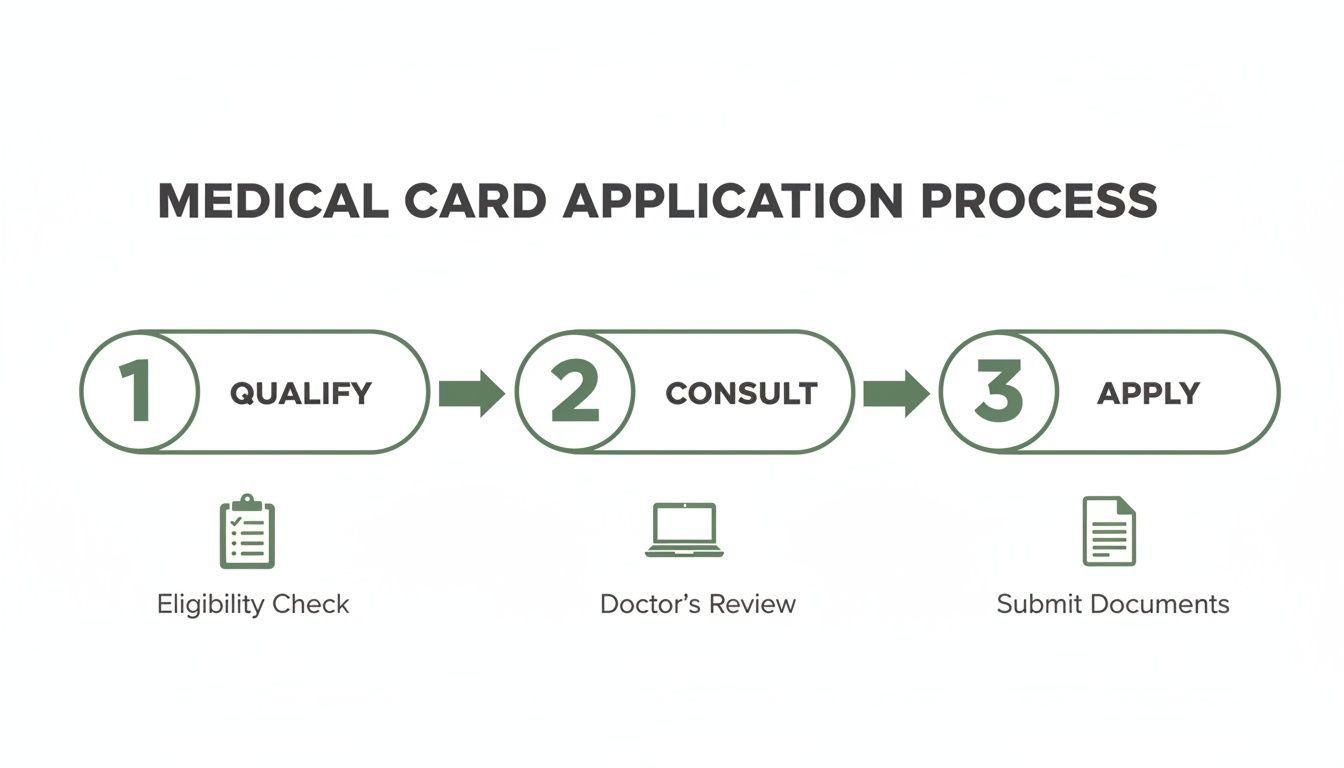
Before you can even think about applying with the state, you need to get a certification from a qualified healthcare provider. This is the most critical piece of the puzzle. It’s the official medical confirmation that your condition makes you a good candidate for medical Marijuana.
During this appointment, the provider will go over your medical history, listen to your symptoms, and see if you fit the state’s criteria. Think of it as a conversation. It's your chance to ask questions and understand how this new therapy could fit into your overall wellness strategy.
Preparing for a Successful Consultation
A little bit of prep work can make your appointment go incredibly smoothly. When you walk in with the right documents, you help your provider get a complete view of your health, which lets them make a well-informed decision.
Try to gather these items before your visit:
- Proof of Mississippi Residency: Your valid Mississippi driver's license or a state-issued ID is a must-have.
- Medical Records: Any paperwork confirming your diagnosis is a huge help. This could be anything from doctor's notes and imaging results to a formal diagnosis letter.
- List of Current Medications: Your provider needs to know everything you're taking to make sure your treatment plan is safe and won't cause any negative interactions.
Bringing this information shows you’re taking an active role in your own health—a core principle of any good holistic plan.
Your certification is more than just a piece of paper; it's the professional confirmation that you are a suitable candidate for a therapy that could significantly improve your quality of life. This step provides the medical validation needed to move forward with confidence.
Once the provider issues your medical certification, you’re ready for the next phase: the official state application. Don't worry, your provider will usually point you in the right direction.
Completing Your State Application
With your certification in hand, the final step is to apply directly with the Mississippi State Department of Health. This is all done online through the state's portal. You’ll create an account, fill out the application, and upload your documents—namely, your medical certification and proof of residency.
The state reviews everything to make sure it's all correct. Once you get the green light, they’ll issue your official medical Marijuana card, which is good for one year . This card is your ticket to legally purchase regulated products from licensed dispensaries across Mississippi.
From that first consultation to having the card in your hand, the process is designed to be straightforward. The system ensures patients get care under professional supervision, which is exactly how medical Marijuana should be integrated into a responsible wellness plan. For a more detailed breakdown, you can check out our guide on how to get a Mississippi medical marijuana card . It answers a lot of the nitty-gritty questions people have along the way.
Ready to Start Your Journey to Lasting Relief?
Living with chronic pain often feels like you're just along for the ride, with no control over the ups and downs. But it doesn't have to be that way. A holistic approach to pain management puts you back in the driver's seat by looking at the entire picture—your physical health, your mental state, and the realities of your everyday life.
Lasting relief isn't about finding a single magic bullet. It's about building a solid, personalized plan that restores your body's natural balance from the ground up.
Think of it like building a house. For qualifying Mississippi residents, incorporating medical Marijuana under professional care can provide a strong foundation, helping to manage pain and reduce inflammation. With that foundation in place, other therapies—like targeted physical therapy or an anti-inflammatory diet—become much more powerful. Real, sustainable healing happens when all the pieces of your wellness plan are working together.
Taking Back Control of Your Health in Mississippi
It’s time to move past temporary fixes and start building a life with more freedom and less pain. That journey starts with one simple, proactive step.
Choosing an integrated care plan isn't just about masking symptoms for a few hours. It's about fundamentally changing your relationship with your body and reclaiming your quality of life for good.
When you choose a holistic path, you stop chasing pain and start building health. You're not just a patient anymore; you're the architect of your own well-being.
If you're a Mississippi resident who is tired of living with pain, help is right here. The key is connecting with a team that understands this comprehensive approach. They can work with you to design your unique roadmap, guide you through the process of getting a medical Marijuana card in Mississippi, and give you the tools you need to live a fuller, more comfortable life. Your path forward starts right now.
Your Questions About Holistic Pain Management, Answered
Starting any new health journey brings up questions, and that’s a good thing. It means you're taking an active role in your own wellness. Here are some of the most common questions we hear from folks in Mississippi who are curious about a holistic approach to managing their pain.
What Does "Holistic Pain Management" Actually Mean?
Think of it this way: traditional pain care often focuses on just the symptom—the sore back, the aching knee, the migraine. A holistic approach sees you as a whole person, recognizing that your physical pain is deeply connected to your mental health, emotional state, diet, sleep, and daily habits.
It’s not about just one single treatment. Instead, we create a multi-faceted plan that gets to the root of the problem. This might mean combining the targeted relief of medical Marijuana with physical therapy to rebuild strength, an anti-inflammatory nutrition plan to calm your system, and mindfulness techniques to manage stress. The goal isn't to just put a band-aid on the pain; it's to help your entire body find balance and achieve real, lasting relief.
What Conditions Qualify for a Medical Card in Mississippi?
Getting certified for Mississippi's Medical Marijuana Program starts with a formal diagnosis from a licensed provider. The state maintains an official list of debilitating medical conditions to ensure Marijuana is used safely and effectively for therapeutic reasons.
Some of the most common qualifying conditions include:
- Cancer
- Parkinson's disease
- Post-traumatic stress disorder (PTSD)
- Pain refractory to appropriate opioid management (meaning chronic pain that hasn't responded to opioid treatments)
- Spinal cord disease or severe injury
- Crohn’s disease or ulcerative colitis
Having a confirmed diagnosis is the critical first step. It ensures you're receiving care within the proper medical and legal framework.
How Does Telehealth Fit Into Getting a Medical Card?
Telehealth makes the process of getting your medical Marijuana card in Mississippi so much more convenient and accessible. It allows you to have your initial consultation with a qualified provider right from the comfort of your home using a secure video call—a huge plus for anyone dealing with chronic pain or mobility challenges.
During that first virtual meeting, your medical history will be reviewed and your qualifying condition will be discussed in detail. While Mississippi law does require at least one in-person visit to establish a strong practitioner-patient relationship, telehealth streamlines all the other steps. It makes the initial consultation, follow-up appointments, and ongoing education sessions simple and efficient, no matter where you live in the state.
Ready to see how a supportive, personalized plan can change your relationship with pain? Learn more about how we can help you manage pain and get back to living your life.
The post Holistic Approach to Pain Management: Mississippi Pain Relief & Wellness appeared first on Pause Pain & Wellness.